Artists like Frederick Knight
Kindred artists that sit next to Frederick Knight on the star chart — same era, adjacent sound, or overlapping influence. Tap any card to open its full page.
 Jimmy Hughesartist
James C Hughes is an English bassist who has played with many punk rock and new wave bands, and whose career as a rock musician and writer continues to this day.
 Little Beaverartist
 The Emotionsartist
 The Dramaticsartist
 The Bar-Kaysartist
The Bar-Kays is an American funk band formed in 1964. The band had dozens of charting singles from the 1960s to the 1980s, including "Soul Finger" in 1967, "Son of Shaft" in 1972, and "Boogie Body Land" in 1980. The Bar-Kays also served as the backing band for a variety of singers, including Isaac Hayes and Otis Redding.
 Tyrone Davisartist
Tyrone Davis was an American blues and soul singer with a long list of hit records over more than 20 years. Davis had three number 1 hits on the Billboard R&B chart: "Can I Change My Mind" (1968), "Turn Back the Hands of Time" (1970), and "Turning Point" (1975).
 Clarence Carterartist
 Joe Simonartist
Joseph Simon was an American soul and R&B musician. He began as a gospel artist singing with the Golden West Singers in the Bay Area in California. A consistent presence on the US charts between 1964 and 1981, Simon charted 51 U.S. Pop and R&B chart hits between 1964 and 1981, including eight times in the US top forty, 38 times in the top 40 of the US R&B chart, with 13 chart hits in Canada. His biggest hits included three number one entries on the US Billboard R&B chart: "The Chokin' Kind" (1969), "Power of Love" (1972), and "Get Down, Get Down " (1975). In 2021, he was one of the 60 nominees for the National Rhythm & Blues Hall of Fame.
 Darrell Banksartist
Darrell Banks was an American soul singer. He had a hit with 1966's "Open the Door to Your Heart".
 Isaac Hayesartist
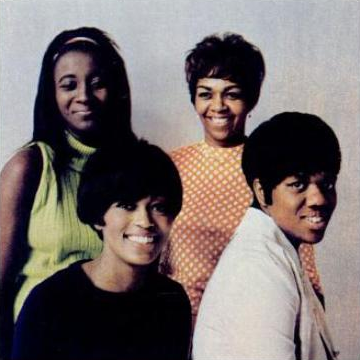 The Sweet Inspirationsartist
The Sweet Inspirations are an American R&B girl group from Newark, New Jersey, founded by American singer Cissy Houston. The group was mostly known for their work as backup singers on studio recordings for other popular music artists but were also a relatively successful group in their own right, earning several charted singles between 1967 and 1970.
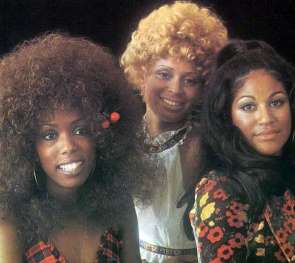 Honey Coneartist
Honey Cone is an American R&B and soul girl group. Originally formed by lead singer Edna Wright with Carolyn Willis and Shelly Clark in 1968. They are known for their number-one Billboard Hot 100 single, "Want Ads". Honey Cone were the premier female group for Hot Wax Records, operated by Holland–Dozier–Holland after they had departed from Motown Records.
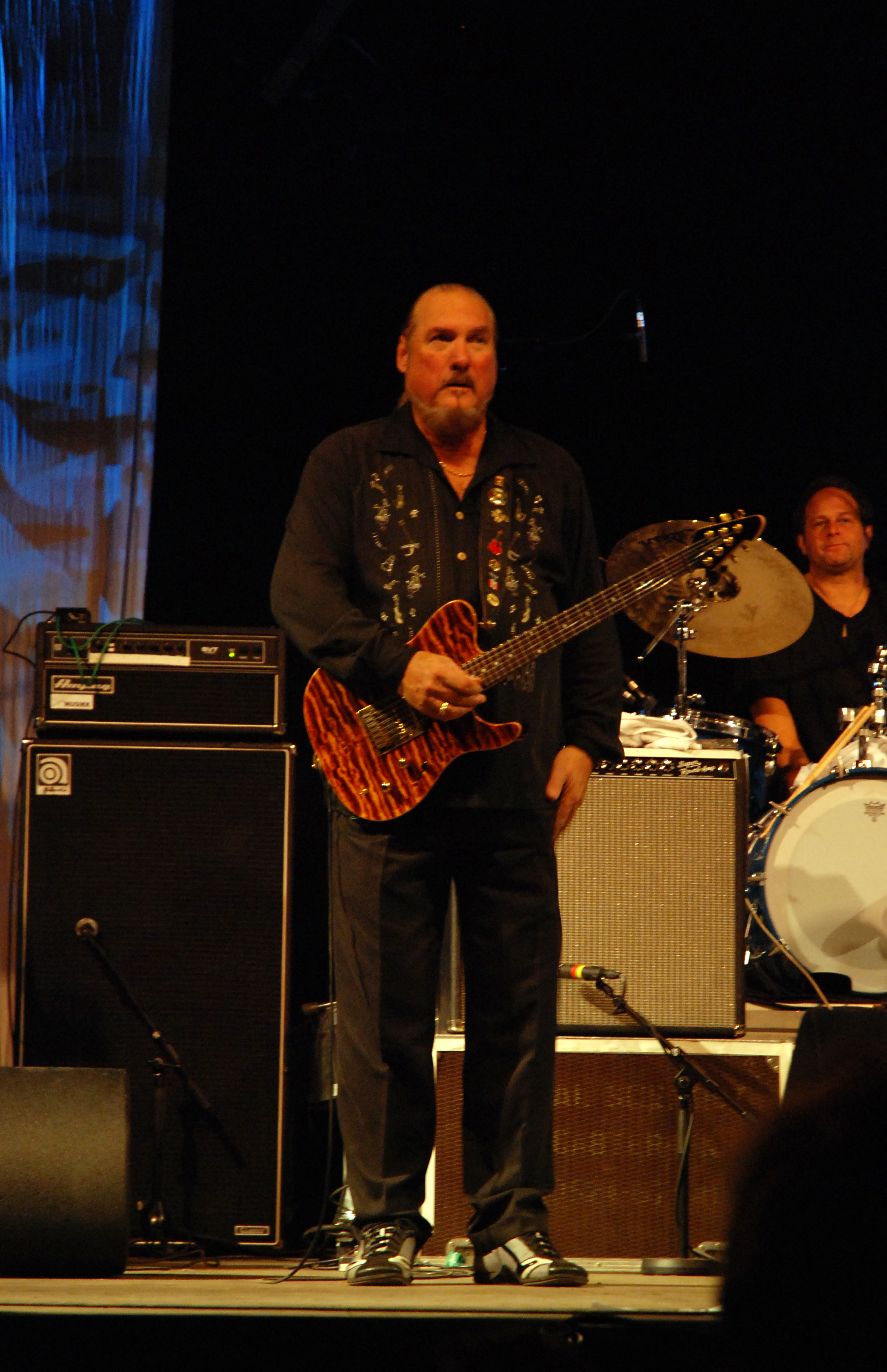 The Mar-Keysartist
The Mar-Keys were an American studio session band for Stax Records, in Memphis, Tennessee, in the 1960s. Formed in 1958 as the first house band for the label, their backing music formed the foundation for the early 1960s Stax sound.
 The Chi-Litesartist
The Chi-Lites is an American R&B/soul vocal quartet from Chicago. Forming at Chicago's Hyde Park High School in 1959, the group's original lineup consisted of singers Robert Lester, Eugene Record, Creadel Jones, Clarence Johnson, Burt Bowen, Eddie Reed and Marshall Thompson.
 O.V. Wrightartist
Overton Vertis Wright was an American singer who is generally regarded as a blues artist by African-American fans in the Deep South; he is also regarded as one of Southern soul's most authoritative and individual artists. His best known songs include "That's How Strong My Love Is" (1964), "You're Gonna Make Me Cry" (1965), "Nucleus of Soul" (1968), "A Nickel and a Nail" (1971), "I Can't Take It" (1971) and "Ace of Spades" (1971).
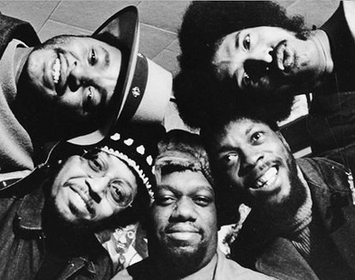 Bloodstoneartist
Bloodstone is an American R&B, soul and funk group, most popular in the 1970s and early 1980s. The band charted thirteen songs between 1973 and 1984.