 ◇ image via Wikipedia
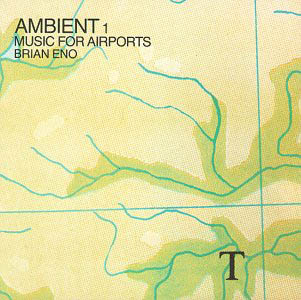
Ambient 1: Music for Airports
Ambient 1: Music for Airports is a Ambient act. Their sound grew out of Erik Satie. Those roots explain a lot about how Ambient 1: Music for Airports arrange songs and choose their tones. Their influence carried into Philip Glass, Pauline Oliveros, Harold Budd, Lou Reed and The Black Dog, where the same ideas turn up rearranged for a later generation. Altogether the chart holds 6 connections around Ambient 1: Music for Airports, reaching back through Erik Satie and forward to Philip Glass. Follow any of those threads to keep travelling the influence between bands and genres on Starverb.
Background
Ambient 1: Music for Airports is a studio album by the English musician Brian Eno. It was released in February 1979 through E.G. Records and Polydor Records. It was the first Eno album released under the label of ambient music, a genre intended to "induce calm and a space to think" while remaining "as ignorable as it is interesting". While not Eno's earliest entry in the style, it is credited with coining the term.
No linked Spotify artist yet — search on Spotify below.
Hover or focus a star to read the connection. Click any star to make it the new centre.
Ambient 1: Music for Airports connections
Ambient 1: Music for Airports grew out of Erik Satie, went on to shape Philip Glass, Pauline Oliveros, Harold Budd and Lou Reed. 6 connections mapped across roots, kindred and legacy.
Who influenced Ambient 1: Music for Airports
Sounds and acts that shaped Ambient 1: Music for Airports.
Bands Ambient 1: Music for Airports shaped
Where the influence of Ambient 1: Music for Airports travelled next.
Ideas. Vote for what you want to see next
Shapes the roadmapMusic Personality
Your taste as a shareable persona card, with a witty roast.
Quizzes & badges
Music quizzes that earn badges and climb a leaderboard.
Friend / taste matching
Match your taste with friends and see your overlap.
Gaps
Bands you've missed that listeners with similar taste already love.