Artists like Gene Clark
Kindred artists that sit next to Gene Clark on the star chart — same era, adjacent sound, or overlapping influence. Tap any card to open its full page.
 Tim Hardinartist
James Timothy Hardin was an American folk music and blues singer-songwriter and guitarist. In addition to his own success, his songs "If I Were a Carpenter", "Reason to Believe", "Misty Roses" and "The Lady Came from Baltimore" were hits for other artists.
 Fred Neilartist
Fred Neil was an American folk singer-songwriter active in the 1960s and early 1970s. He is mainly known through other people's recordings of his material, particularly "Everybody's Talkin'", which became a hit for Harry Nilsson after it was used in the film Midnight Cowboy in 1969. Though highly regarded by contemporary folk singers, he was reluctant to tour and spent much of the last 30 years of his life assisting with the preservation of dolphins.
 Bill Fayartist
William Fay was an English singer-songwriter. His early recordings were released by Deram, but following the release of his second album in 1971, Fay was dropped by the label. His work enjoyed a growing cult status in the 1990s, and his older works were re-issued in 1998 and 2004–2005. Fay's 2012 album Life Is People was his first album of all-new material since 1971. His last album, Countless Branches, was released on 17 January 2020.
 Jerry Jeff Walkerartist
Jerry Jeff Walker was an American country and folk singer-songwriter. He was a leading figure in the progressive country and outlaw country music movement. He is best known for writing the 1968 song "Mr. Bojangles".
 Buffalo Springfieldartist
Buffalo Springfield was a Canadian-American rock band formed in Los Angeles in 1966 by Canadians Neil Young, Bruce Palmer and Dewey Martin and Americans Stephen Stills and Richie Furay. The group, widely known for the song "For What It's Worth", released three albums and several singles from 1966 to 1968. Their music combined elements of folk music and country music with influences from the British Invasion and psychedelic rock. Like the contemporary band the Byrds, they were key to the early development of folk rock. The band took their name from a steamroller parked outside their house.
 Fairport Conventionartist
Fairport Convention are an English folk rock band, formed in 1967 by guitarists Richard Thompson and Simon Nicol, bassist Ashley Hutchings and drummer Shaun Frater. They started out influenced by American folk rock, with a set list dominated by Bob Dylan and Joni Mitchell songs and a sound that earned them the nickname "the British Jefferson Airplane". Vocalists Judy Dyble and Iain Matthews joined them before the recording of their self-titled debut in 1968; afterwards, Dyble was replaced by Sandy Denny, and Matthews later left during the recording of their third album.
 Judee Sillartist
Judith Lynne Sill was an American singer-songwriter and composer. She was influenced by Bach, and wrote lyrics drawing on Christian themes of rapture and redemption.
 Bert Janschartist
Herbert Jansch was a Scottish folk musician and founding member of the band Pentangle. He was born in Glasgow and came to prominence in London in the 1960s as an acoustic guitarist and singer-songwriter. He recorded more than 28 albums and toured extensively from the 1960s to the 21st century.
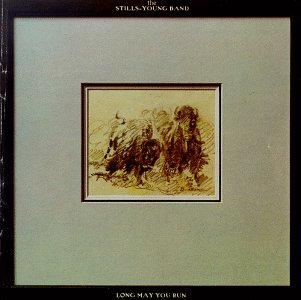 The Stills-Young Bandartist
Long May You Run is a studio album credited to the Stills–Young Band, a collaboration between Stephen Stills and Neil Young, released in 1976 on Reprise Records. It peaked at No. 26 on the Billboard 200 and was certified gold in the United States by the RIAA. The album is the sole studio release by Stills and Young as a duo.
 Emmylou Harrisartist
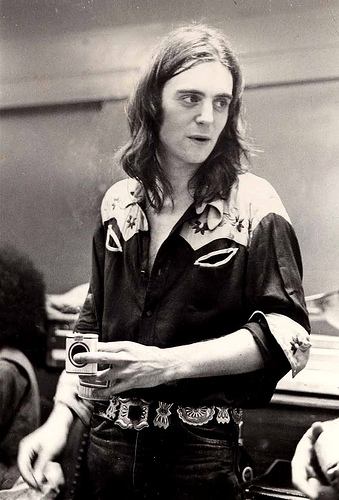 Terry Reidartist
Terrance James Reid, who was nicknamed Superlungs, was an English musician, songwriter and guitarist, best known for his emotive style of singing in appearances with high-profile musicians as vocalist, supporting act and session musician. As a solo recording and touring artist he released six studio albums and four live albums. Described as an "artists' artist" by Rolling Stone, Reid was recognised by his contemporaries as an eminent talent in English rock music, both as a guitarist and a vocalist. Robert Plant praised his vocal "flexibility, power and control" and Graham Nash was quoted as saying he should have been "a gigantic star".
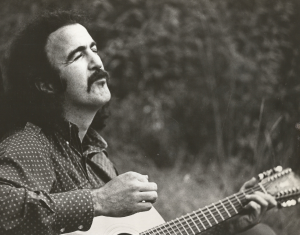 Jim Sullivanartist
James Anthony Sullivan was an American singer-songwriter and guitarist who released two albums before he disappeared without a trace in New Mexico.
 Neil Young & Crazy Horseartist
Neil Percival Young is a Canadian and American singer-songwriter. Son of journalist and author Scott Young, Young embarked on a music career in Winnipeg in the 1960s. He then moved to Los Angeles, forming the folk rock group Buffalo Springfield. His solo career, often backed by the band Crazy Horse, includes critically acclaimed albums such as Everybody Knows This Is Nowhere (1969), After the Gold Rush (1970), Harvest (1972), On the Beach (1974), and Rust Never Sleeps (1979). Young was also a part-time member of Crosby, Stills, Nash & Young, with whom he recorded the chart-topping 1970 album Déjà Vu.
 Bonnie 'Prince' Billyartist
Joseph Will Oldham is an American singer-songwriter and actor. From 1993 to 1997, he performed and recorded in collaboration with dozens of other musicians under variations of Palace. After briefly publishing music under his own name, in 1998 he adopted Bonnie "Prince" Billy as the name for most of his work.
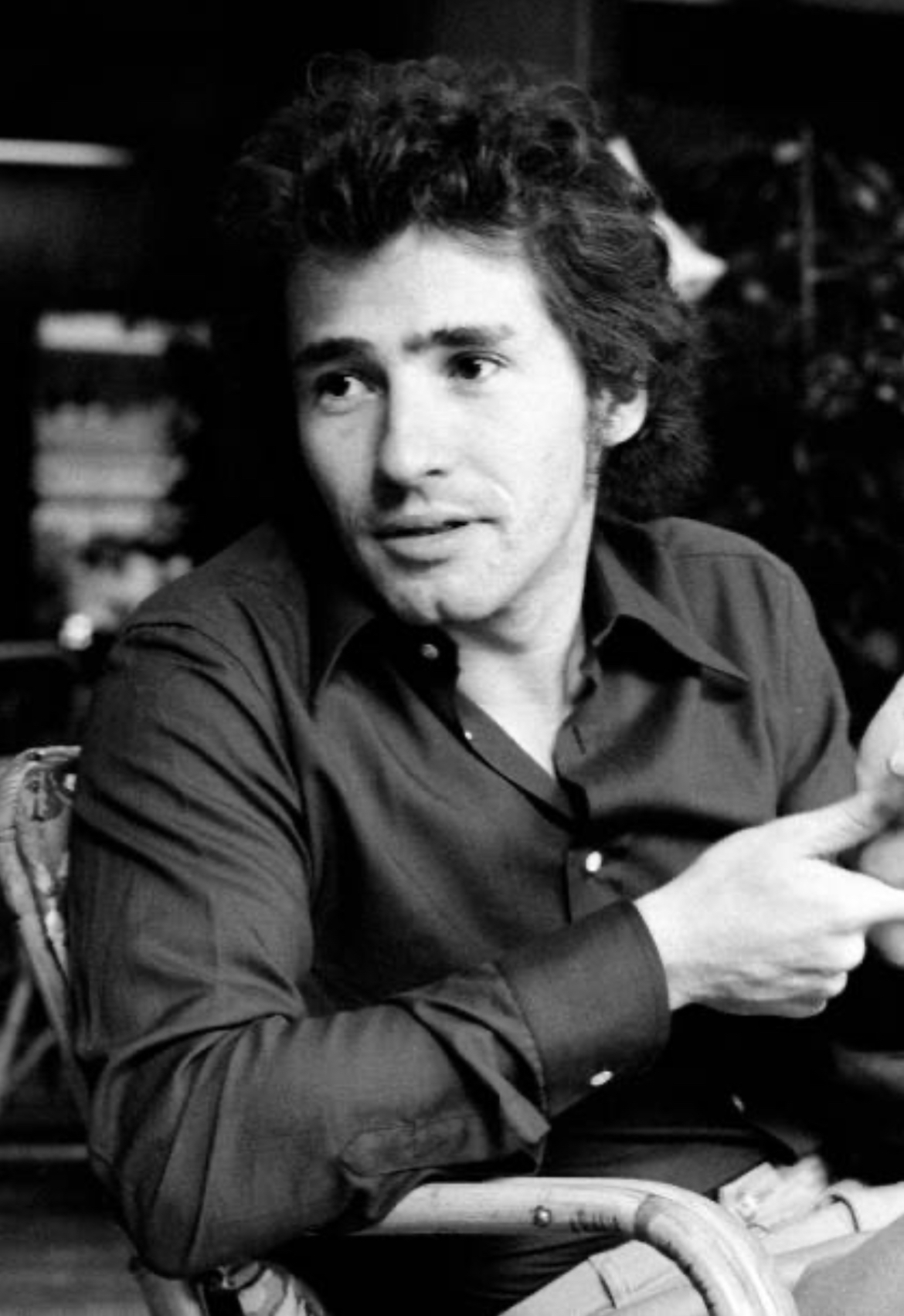 Tim Buckleyartist
Timothy Charles Buckley III was an American musician. He began his career based in folk rock, but subsequently experimented with genres such as psychedelia, jazz, the avant-garde, and funk.
 Laura Nyroartist
 Bobbie Gentryartist
 Karen Daltonartist
Karen J. Dalton was an American country blues singer, guitarist, and banjo player. She was associated with the early 1960s Greenwich Village folk music scene, particularly with Fred Neil, the Holy Modal Rounders, and Bob Dylan. Although she did not enjoy much commercial success during her lifetime, her music has gained significant recognition since her death. Artists like Nick Cave, Devendra Banhart, and Joanna Newsom have noted her as an influence.
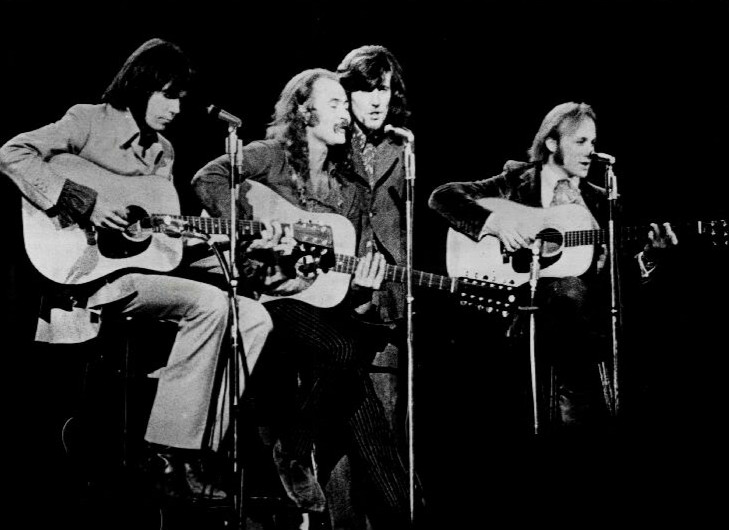 Crosby, Stills & Nashartist
Crosby, Stills & Nash (CSN) was a folk rock supergroup composed of the American singer-songwriters David Crosby and Stephen Stills and the English-American singer-songwriter Graham Nash. When joined by the Canadian singer-songwriter Neil Young, they were known as Crosby, Stills, Nash & Young (CSNY). They are noted for their intricate vocal harmonies and lasting influence on American music and culture, their political activism and their tumultuous relationships.