Legacy of Joan Jett and the Blackhearts
Artists and genres Joan Jett and the Blackhearts directly influenced — one hop forward on the family tree of music.
 The Policeartist
 Queenartist
 Aerosmithartist
 The Beach Boysartist
 The Sugarhill Gangartist
 Darlene Loveartist
 Paul Westerbergartist
Paul Harold Westerberg is an American musician, best known as the lead singer, guitarist, and songwriter for the Replacements. Following the breakup of the Replacements, Westerberg launched a solo career that saw him release three albums on two major record labels.
 Eagles of Death Metalartist
 Motörheadartist
 Alice Cooperartist
 Def Leppardartist
Def Leppard are an English rock band formed in Sheffield in 1976. Since 1992, the band has consisted of Rick Savage, Joe Elliott, Rick Allen (drums), Phil Collen, and Vivian Campbell. They established themselves as part of the new wave of British heavy metal of the early 1980s.
 Green Dayartist
 Frank Turnerartist
Francis Edward Turner is an English punk and folk singer-songwriter. He began his career as the vocalist of post-hardcore band Million Dead, then embarked upon a primarily acoustic-based solo career following the band's split in 2005. In the studio and during live performances, Turner is accompanied by his backing band, The Sleeping Souls, consisting of Ben Lloyd, Tarrant Anderson (bass), Matt Nasir and Callum Green (drums).
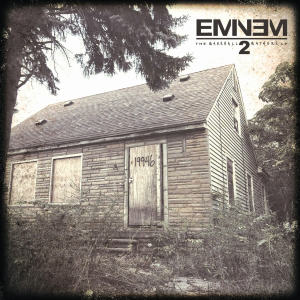 The Marshall Mathers LP 2artist
The Marshall Mathers LP 2 is the eighth studio album by the American rapper Eminem. It was released on November 5, 2013, by Shady Records, Goliath Artists, Aftermath Entertainment, WEB Entertainment, and Interscope Records. Eminem's mentor Dr. Dre serves as an executive producer alongside Rick Rubin. The album is a sequel to Eminem's third album, The Marshall Mathers LP, and follows his usual style by featuring guest singers—in this case Rihanna and Nate Ruess—and by using outside producers: S1, Alex da Kid and Rick Rubin.
 Epitaphartist
Epitaph is an Anglo-German rock band, formed in Dortmund in 1969. Playing initially what AllMusic described as "post-psych progressive rock, spiced with occasional jazz accents and widespread twin-guitar harmonies", in 1973 they started shifting towards more straightforward hard rock stylings. After releasing six studio albums, they disbanded in 1982. In 2000, Epitaph reunited and several new releases followed.