Artists like Clyde McPhatter
Kindred artists that sit next to Clyde McPhatter on the star chart — same era, adjacent sound, or overlapping influence. Tap any card to open its full page.
 Chuck Willisartist
Harold "Chuck" Willis was an American blues, rhythm and blues, and rock and roll singer and songwriter. His biggest hits, "C. C. Rider" (1957) and "What Am I Living For" (1958), both reached No. 1 on the Billboard R&B chart. He was known as 'The King of the Stroll' for his performance of the 1950s dance, the Stroll.
 The Driftersartist
 Big Joe Turnerartist
 Ivory Joe Hunterartist
Ivory Joe Hunter was an American rhythm-and-blues singer, songwriter, and pianist. After a series of hits on the US R&B chart starting in the mid-1940s, he became more widely known for his hit recording "Since I Met You Baby" (1956). He was billed as The Baron of the Boogie, and also known as The Happiest Man Alive. His musical output ranged from R&B to blues, boogie-woogie, and country music, and Hunter made a name in all of those genres. Uniquely, he was honored at both the Monterey Jazz Festival and the Grand Ole Opry.
 Jimmy Jonesartist
James Jones was an American singer-songwriter who moved to New York City while a teenager. His biggest hits were "Handy Man" (1959) and "Good Timin'" (1960). According to Allmusic journalist Steve Huey, Jones sang "in a smooth yet soulful falsetto modeled on the likes of Clyde McPhatter and Sam Cooke."
 Frankie Lymonartist
Franklin Joseph Lymon was an American rock and roll/rhythm and blues singer and songwriter, dancer and composer best known as the boy soprano lead singer of the New York City-based early rock and roll doo-wop group the Teenagers. The group was composed of five boys, all in their early to mid-teens. The original lineup of the Teenagers, an integrated group, included three African-American members, Lymon, Jimmy Merchant, and Sherman Garnes; and two Puerto Rican members, Joe Negroni and Herman Santiago. The Teenagers' first single, 1956's "Why Do Fools Fall in Love", was also their biggest hit. After Lymon went solo in mid-1957, both his career and that of the Teenagers fell into decline. In 1968, Lymon was found dead at age 25 from a heroin overdose. He was posthumously inducted into the Rock and Roll Hall of Fame in 1993 as a member of the Teenagers. Lymon's life was dramatized in the 1998 film Why Do Fools Fall in Love.
 Fats Dominoartist
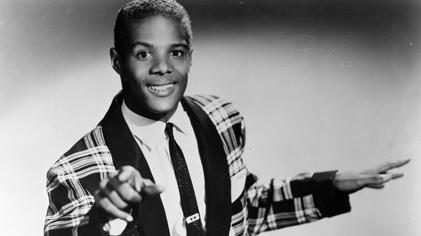 Bobby Freemanartist
Robert Thomas Freeman was an American rock, soul and R&B singer, songwriter and record producer from San Francisco, best known for his two top ten hits, the first in 1958 on Josie Records called "Do You Want to Dance" and the second in 1964 for Autumn Records, "C'mon and Swim".
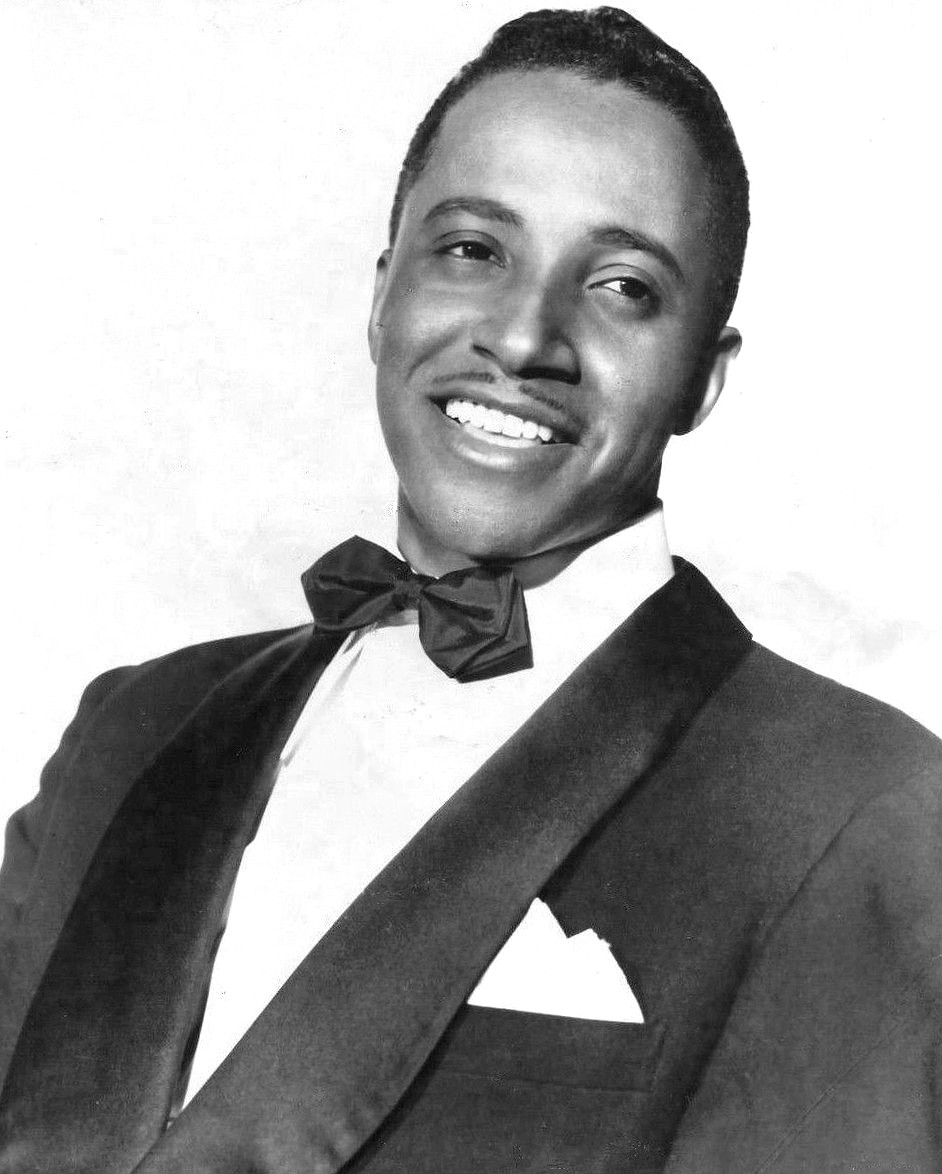 Tommy Edwardsartist
Thomas Jefferson Edwards was an American singer and songwriter. His most successful record was the multi-million-selling song "It's All in the Game", becoming the first African-American to reach No. 1 on the Billboard Hot 100.
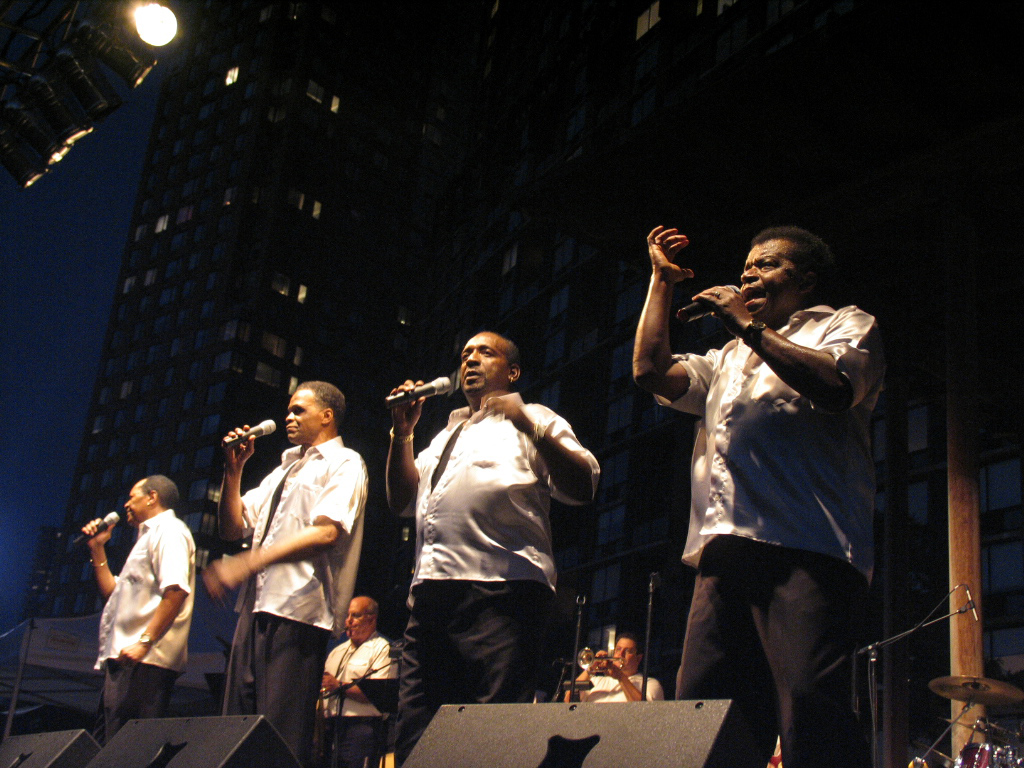 Little Anthony & the Imperialsartist
Little Anthony and the Imperials is an American rhythm and blues, doo-wop, and soul vocal group from New York City founded by Clarence Collins in the 1950s and named in part for its lead singer, Jerome Anthony "Little Anthony" Gourdine, who was noted for his high-pitched voice. In addition to Collins and Gourdine, the original Imperials included Ernest Wright, Glouster "Nate" Rogers, and Tracy Lord, the last two of whom were subsequently replaced by Sammy Strain.
 Percy Sledgeartist
 Bobby Veeartist
 Ray Charlesartist
 Clarence "Frogman" Henryartist
Clarence Henry II, known as Clarence "Frogman" Henry, was an American rhythm and blues singer and pianist, best known for his hits "Ain't Got No Home" (1956) and "(I Don't Know Why) But I Do" (1961).