Artists like Joe Cuba Sextet
Kindred artists that sit next to Joe Cuba Sextet on the star chart — same era, adjacent sound, or overlapping influence. Tap any card to open its full page.
 Ray Barrettoartist
Raymundo "Ray" Barretto Pagán was an American percussionist and bandleader of Puerto Rican descent. Throughout his career as a percussionist, he played a wide variety of Latin music styles, as well as Latin jazz. His first hit, "El Watusi", was recorded by his Charanga Moderna in 1962, becoming the most successful pachanga song in the United States. In the late 1960s, Barretto became one of the leading exponents of boogaloo and what would later be known as salsa. Nonetheless, many of Barretto's recordings would remain rooted in more traditional genres such as son cubano. A master of the descarga, Barretto was a long-time member of the Fania All-Stars. His success continued into the 1970s with songs such as "Cocinando" and "Indestructible". His last album for Fania Records, Soy dichoso, was released in 1990. He then formed the New World Spirit jazz ensemble and continued to tour and record until his death in 2006. He is the father of American vocalist and saxophonist Chris Barretto, best known for being the former singer of progressive metal bands Monuments and Periphery.
 Johnny Pachecoartist
Juan Pablo Knipping Pacheco, known as Johnny Pacheco, was a Dominican musician, arranger, composer, bandleader, and record producer. Born in the Dominican Republic, Pacheco became a leading figure in the New York salsa scene in the 1960s and 1970s as the founder and musical director of Fania Records.
 Ismael Riveraartist
Ismael Rivera a.k.a. "Maelo", was a Puerto Rican composer and salsa singer.
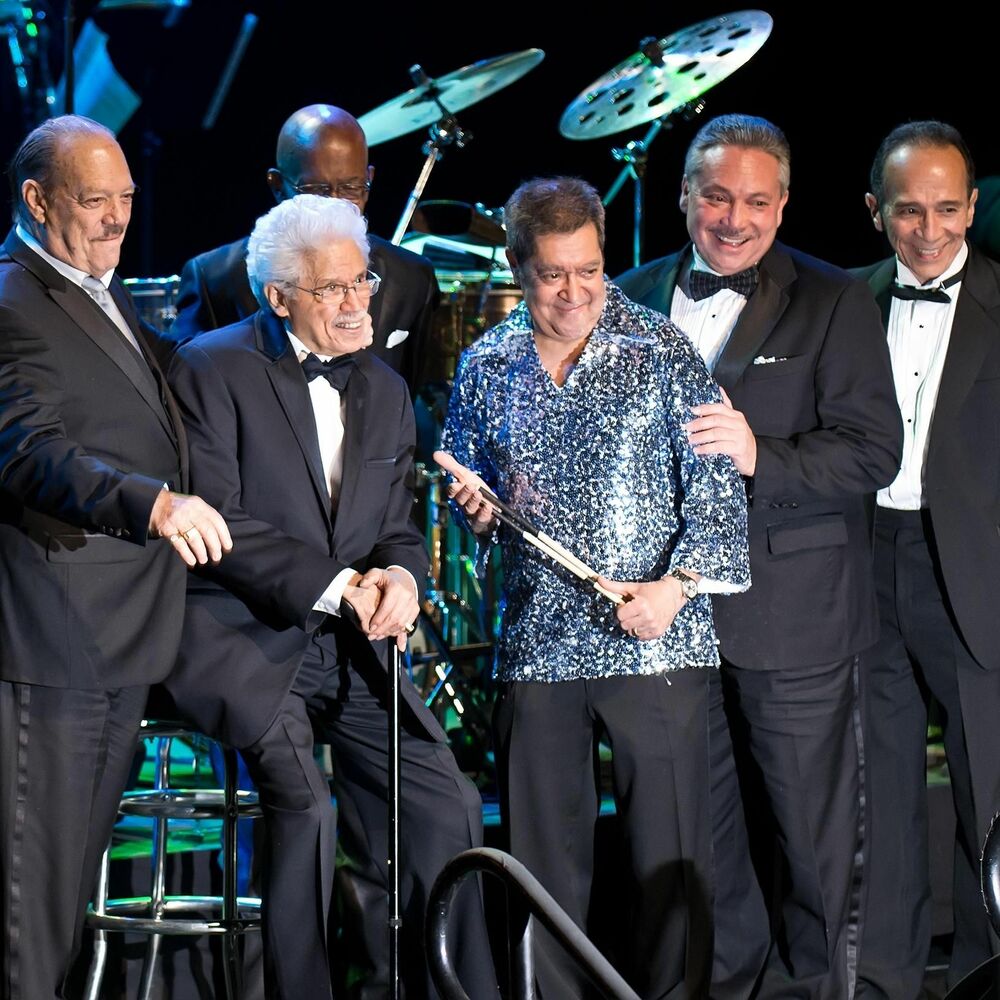 Fania All Starsartist
 Roberto Roena y Su Apollo Soundartist
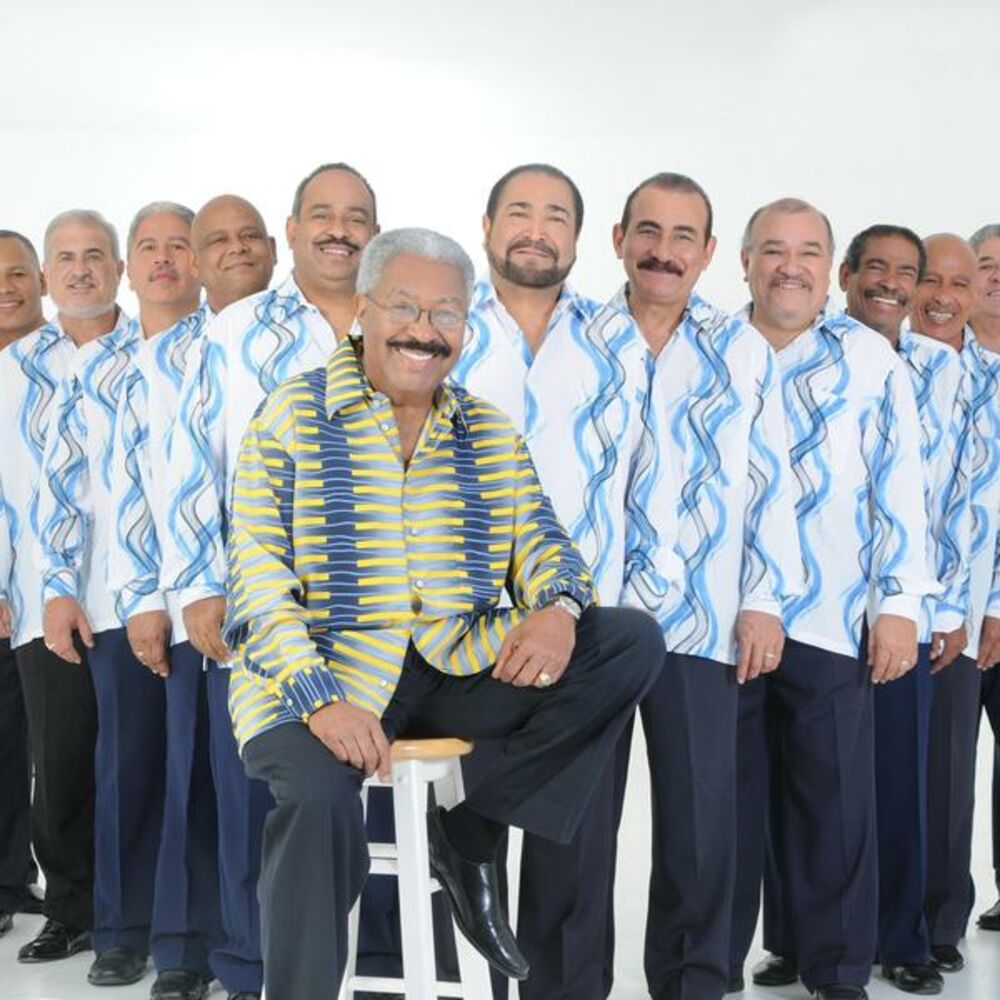 El Gran Combo De Puerto Ricoartist
 Héctor Lavoeartist
Héctor Juan Pérez Martínez, better known as Héctor Lavoe, was a Puerto Rican salsa singer. Widely regarded as one of salsa's most important and influential vocalists, Lavoe played a pivotal role in popularizing the genre throughout the 1960s, '70s, and '80s. His charismatic persona and artistic vision propelled him to become one of the most successful Latin music artists of all time.
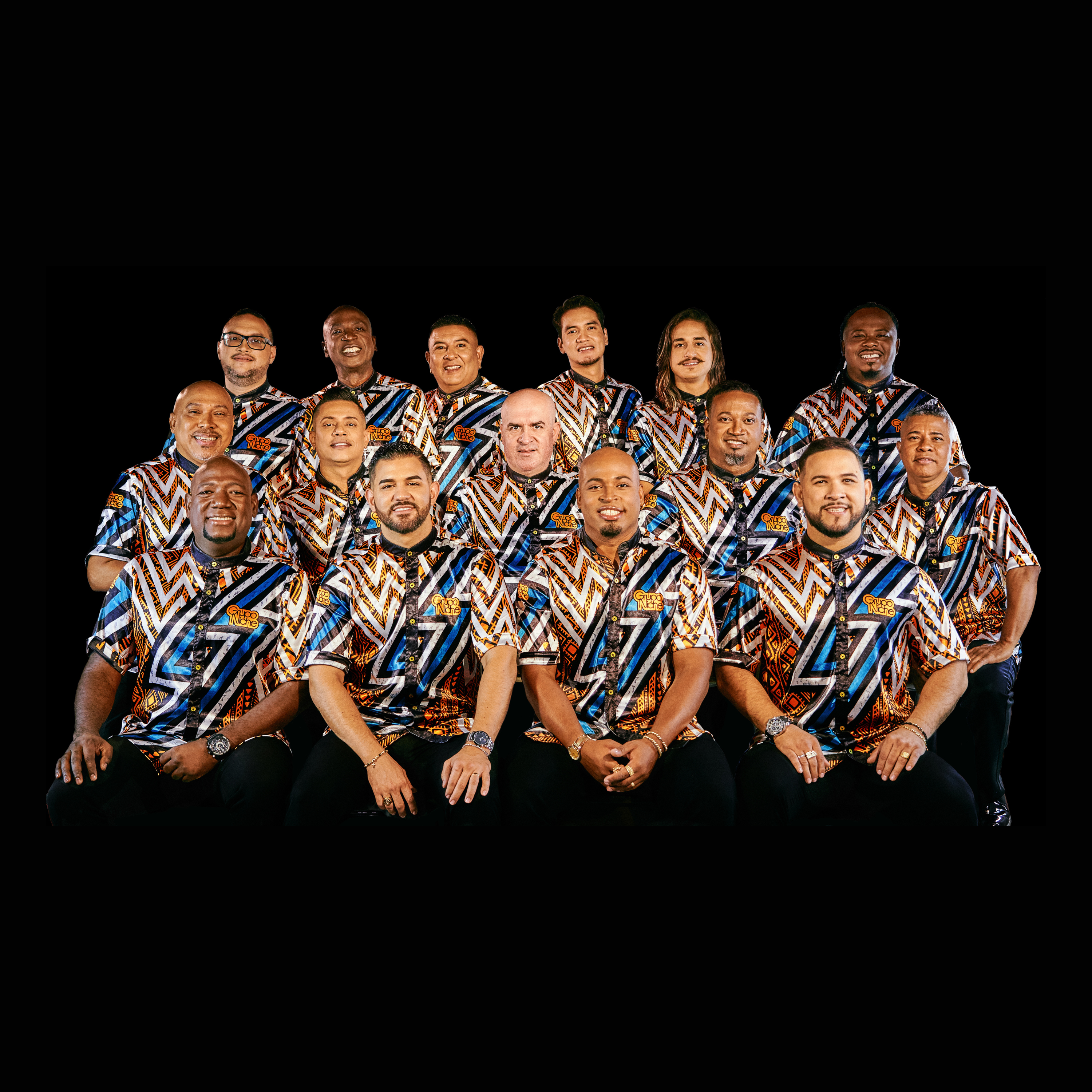 Grupo Nicheartist
Grupo Niche is a salsa group founded in 1978 in Bogotá, Colombia. It enjoys great popularity throughout Latin America. It was founded by Jairo Varela and Alexis Lozano. Varela remained with the group throughout his life, serving as producer, director, songwriter, vocalist, and guiro player. Alexis Lozano, trombone player and arranger later left to form Orquesta Guayacán. The group also included Nicolas Cristancho "Macabi" on the piano, Francisco Garcia "Porky" on the bass, Luis Pacheco, on the congas, and vocalists Jorge Bazán and Hector Viveros.
 Joe Arroyoartist
Álvaro Arroyo González was a Colombian salsa and tropical music singer, composer and songwriter. He is considered one of the greatest performers of Caribbean and salsa music in his country and across Latin America. In 2018, Billboard counted Arroyo's song "La Rebelión" as one of the "15 Best Salsa Songs Ever".
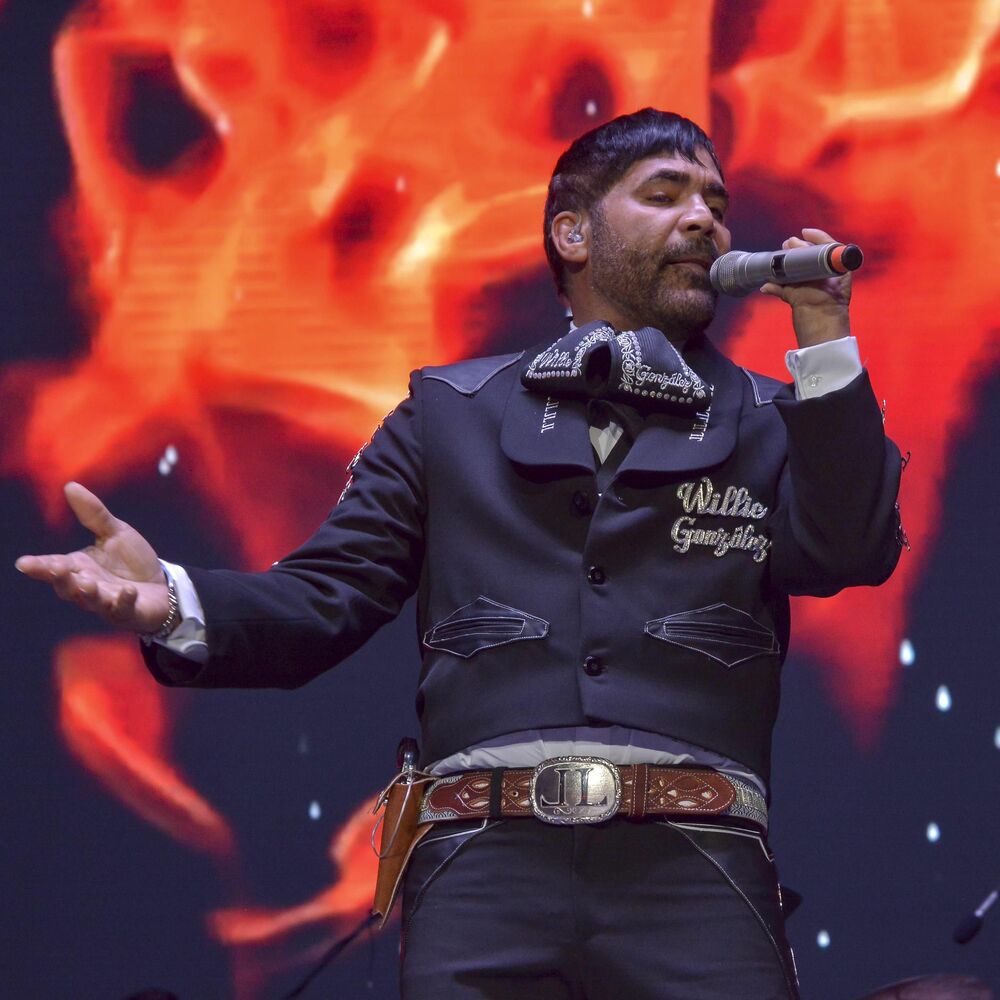 Willie Gonzalezartist
 Rubén Bladesartist
 Fruko Y Sus Tesosartist
 La Lupeartist
 Tito Rodriguezartist
Pablo Rodríguez Lozada, better known as Tito Rodríguez, was a Puerto Rican singer and bandleader. He started his career singing under the tutelage of his brother, Johnny Rodríguez. In the 1940s, both moved to New York, where Tito worked as a percussionist in several popular rhumba ensembles, before directing his own group to great success during the 1950s. His most prolific years coincided with the peak of the mambo and cha-cha-cha dance craze. He also recorded boleros, sones, guarachas and pachangas.
 La Sonora Matanceraartist
La Sonora Matancera is a Cuban band that played Latin American urban popular dance music. Founded in 1924 and led for more than five decades by guitarist, vocalist, composer, and producer Rogelio Martínez, musicologists consider it an icon of this type of music. Notable singers to have sung and recorded with the band include Bienvenido Granda, Daniel Santos, Myrta Silva, Miguelito Valdés, Leo Marini, Celia Cruz, Nelson Pinedo, Vicentico Valdés, Estanislao "Laíto" Sureda, Alberto Beltrán, Carlos Argentino, and Celio González.
 Frankie Ruizartist
José Antonio Torresola Ruiz, better known as Frankie Ruiz, was an American singer. He was a major figure in the salsa romántica subgenre that was popular in the 1980s and early 1990s.
 Marc Anthonyartist
 Ibrahim Ferrerartist
Ibrahim Ferrer was a Cuban singer who played with the group Los Bocucos for nearly forty years. He also performed with Conjunto Sorpresa, Chepín y su Orquesta Oriental, and Mario Patterson. After his retirement in 1991, he was brought back in the studio to record with the Afro-Cuban All Stars and Buena Vista Social Club, in March 1996. He then toured internationally with these revival groups and recorded several solo albums for World Circuit, before his death in 2005.
 The Latin Brothersartist