Artists like Little Beaver
Kindred artists that sit next to Little Beaver on the star chart — same era, adjacent sound, or overlapping influence. Tap any card to open its full page.
 Latimoreartist
Benjamin William Lattimore, known professionally as Latimore, is an American blues and R&B singer, songwriter and pianist. In 2017, Latimore was inducted in to the Blues Hall of Fame.
 Milton Wrightartist
 The Blackbyrdsartist
 The Beginning Of The Endartist
 Darondoartist
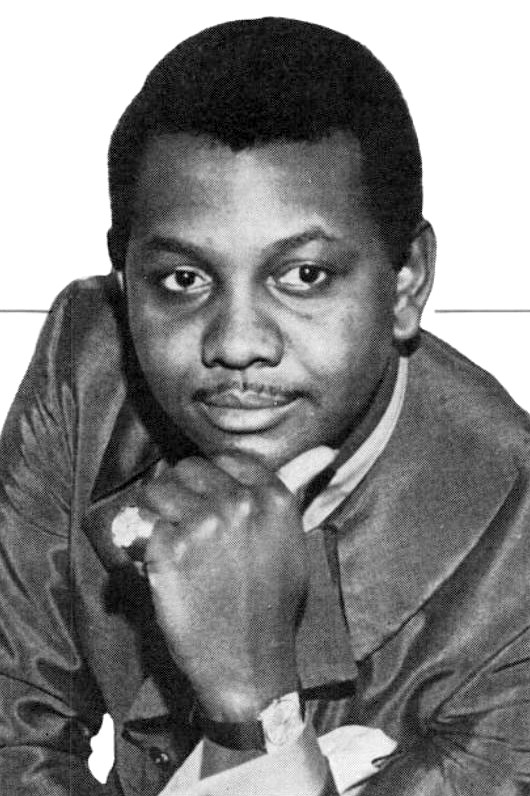 Tyrone Davisartist
Tyrone Davis was an American blues and soul singer with a long list of hit records over more than 20 years. Davis had three number 1 hits on the Billboard R&B chart: "Can I Change My Mind" (1968), "Turn Back the Hands of Time" (1970), and "Turning Point" (1975).
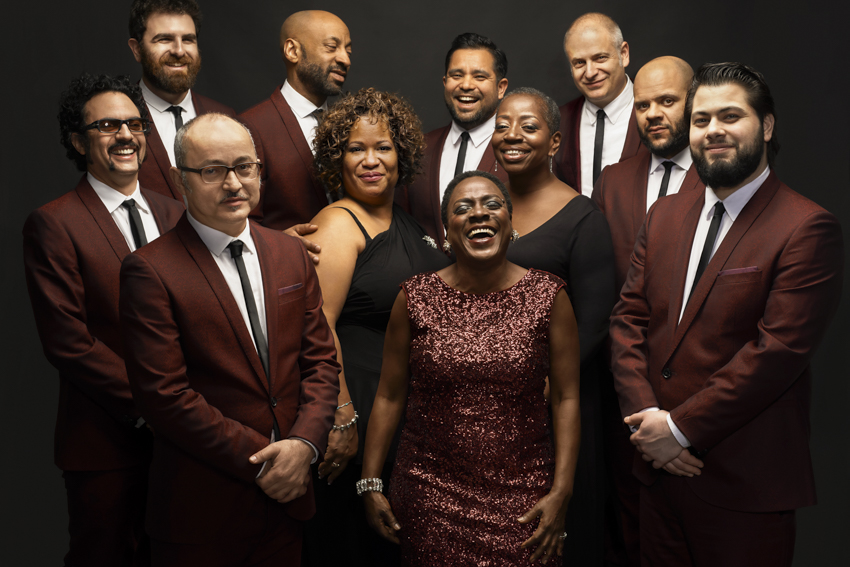 Sharon Jones and the Dap-Kingsartist
Sharon Jones & the Dap-Kings were an American funk and soul band signed to Daptone Records. They were part of a revival movement of mid-1960s to mid-1970s style funk and soul music. They released their debut album Dap Dippin' in 2002, the first of seven studio albums. Their 2014 album Give the People What They Want was nominated for the Grammy Award for Best R&B Album. After Sharon Jones' death in 2016, the band released the posthumous album Soul of a Woman in 2017 and a compilation of cover songs in 2020.
 Thee Sinseersartist
 Eddie Hazelartist
Edward Earl Hazel was an American guitarist and singer in early funk music who played lead guitar with Parliament-Funkadelic. Hazel was a posthumous inductee to the Rock and Roll Hall of Fame, inducted in 1997 with fifteen other members of Parliament-Funkadelic. His ten-minute guitar solo in the Funkadelic song "Maggot Brain" is regarded as "one of the greatest solos of all time on any instrument". In 2023, Rolling Stone ranked Hazel at no. 29 in its list of 250 of the greatest guitarists of all time.
 Shuggie Otisartist
 Sunbearartist
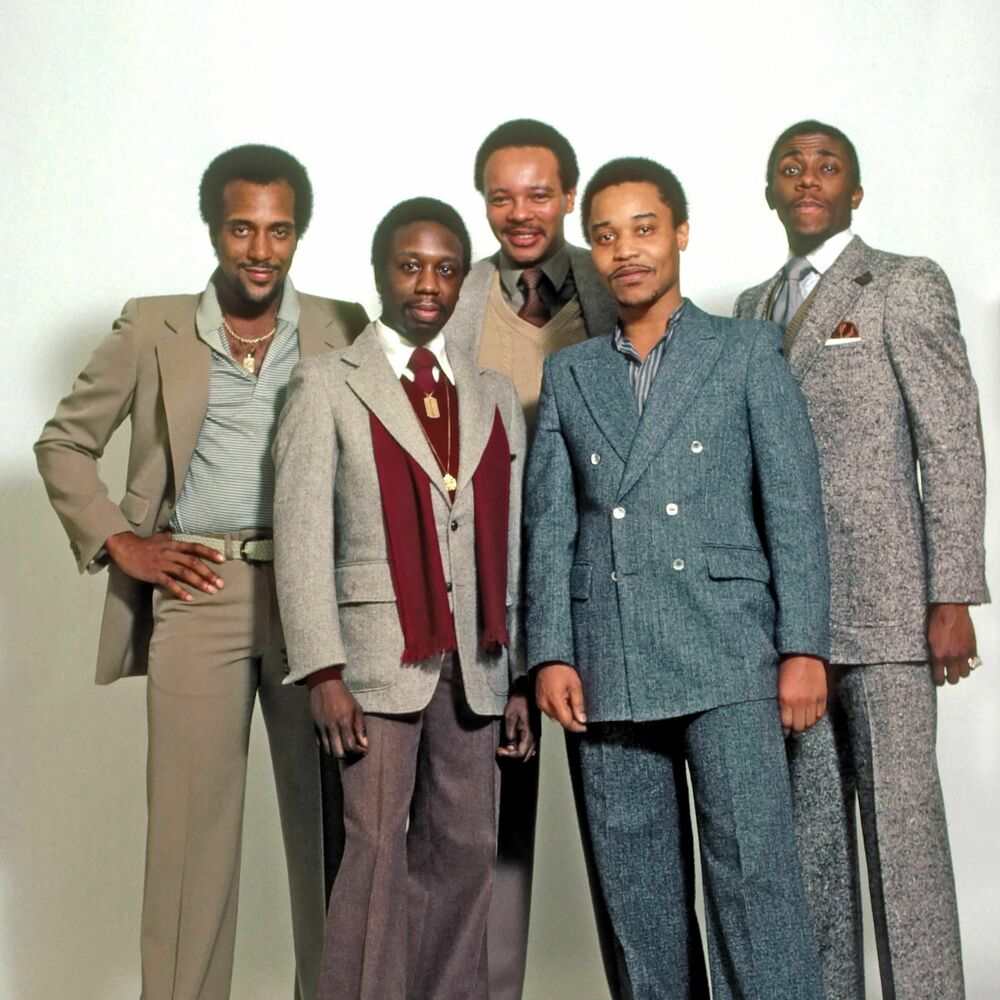 The Dramaticsartist
 Gwen McCraeartist
 O.V. Wrightartist
Overton Vertis Wright was an American singer who is generally regarded as a blues artist by African-American fans in the Deep South; he is also regarded as one of Southern soul's most authoritative and individual artists. His best known songs include "That's How Strong My Love Is" (1964), "You're Gonna Make Me Cry" (1965), "Nucleus of Soul" (1968), "A Nickel and a Nail" (1971), "I Can't Take It" (1971) and "Ace of Spades" (1971).
 Roy Ayers Ubiquityartist
Roy Edward Ayers Jr. was an American vibraphonist, record producer, and composer. Ayers began his career as a post-bop jazz artist, releasing several studio albums with Atlantic Records, before his tenure at Polydor Records beginning in the 1970s, during which he helped to pioneer jazz-funk. He was a key figure in the acid jazz movement, and has been described as "The Godfather of Neo Soul". He was best known for his compositions "Everybody Loves the Sunshine", "Running Away", and "Freaky Deaky" and others that charted in the 1970s. At one time, Ayers was listed among the performers whose music was most often sampled by rappers.
 Weldon Irvineartist
 The Altonsartist
 Baby Hueyartist
 William Devaughnartist
 George Jacksonartist
 Patrice Rushenartist
 Joe Bataanartist
Bataan Nitollano, also known as Joe Bataan, is a Filipino-American Latin soul singer, songwriter and musician best known world-wide and in the Hispanic and Latino music scene as the "King of Latin Soul".
 Isaac Hayesartist
 The J.B.'sartist
The J.B.'s was James Brown's band from 1970 through the early 1980s. On records, the band was sometimes billed under alternate names such as Fred Wesley and the JBs, The James Brown Soul Train, Maceo and the Macks, A.A.B.B., Fred Wesley and the New JBs, The First Family, and The Last Word. In addition to backing Brown, the J.B.'s played behind Bobby Byrd, Lyn Collins, and other singers associated with the James Brown Revue, and performed and recorded as a self-contained group. In 2015, they were nominated for induction into the Rock and Roll Hall of Fame but failed to be inducted and can be considered for Musical Excellence in the future. They have been eligible since 1995.