Artists like Phil Phillips
Kindred artists that sit next to Phil Phillips on the star chart — same era, adjacent sound, or overlapping influence. Tap any card to open its full page.
 The Flamingosartist
The Flamingos are an American doo-wop group formed in Chicago in 1953. The band became popular in mid-to-late 1950s and are best known for their 1959 cover version of "I Only Have Eyes for You". They have since been hailed as being one of the finest and most influential vocal groups in pop and doo wop music history. In 2001, the band was inducted into the Rock and Roll Hall of Fame.
 The Driftersartist
 The Fleetwoodsartist
 Barbara Lewisartist
Barbara Ann Lewis is an American singer and songwriter whose smooth style influenced rhythm and blues.
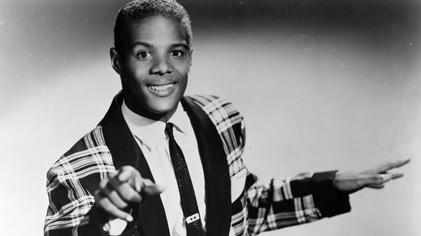 Bobby Freemanartist
Robert Thomas Freeman was an American rock, soul and R&B singer, songwriter and record producer from San Francisco, best known for his two top ten hits, the first in 1958 on Josie Records called "Do You Want to Dance" and the second in 1964 for Autumn Records, "C'mon and Swim".
 Ritchie Valensartist
Richard Steven Valenzuela, better known by his stage name Ritchie Valens, was an American guitarist, singer, and songwriter. A rock and roll pioneer and a forefather of the Chicano rock movement, Valens died in a plane crash just eight months after his breakthrough.
 Neil Sedakaartist
 Bobby Darinartist
 Fats Dominoartist
 The Everly Brothersartist
 Bo Diddleyartist
 The Righteous Brothersartist
The Righteous Brothers are an American musical duo originally formed by Bill Medley and Bobby Hatfield but now comprising Medley and Bucky Heard. Medley formed the group with Hatfield in 1963. They had first performed together in 1962 in the Los Angeles area as part of a five-member group called the Paramours, and adopted the name the Righteous Brothers when they became a duo. Their most active recording period was in the 1960s and '70s, and, after several years inactive as a duo, Hatfield and Medley reunited in 1981 and continued to perform until Hatfield's death in 2003. The term "blue-eyed soul" is thought to have been coined by Philadelphia radio DJ Georgie Woods in 1964 when describing the duo's music.
 Percy Sledgeartist
 Jimmy Jonesartist
James Jones was an American singer-songwriter who moved to New York City while a teenager. His biggest hits were "Handy Man" (1959) and "Good Timin'" (1960). According to Allmusic journalist Steve Huey, Jones sang "in a smooth yet soulful falsetto modeled on the likes of Clyde McPhatter and Sam Cooke."
 Clarence "Frogman" Henryartist
Clarence Henry II, known as Clarence "Frogman" Henry, was an American rhythm and blues singer and pianist, best known for his hits "Ain't Got No Home" (1956) and "(I Don't Know Why) But I Do" (1961).
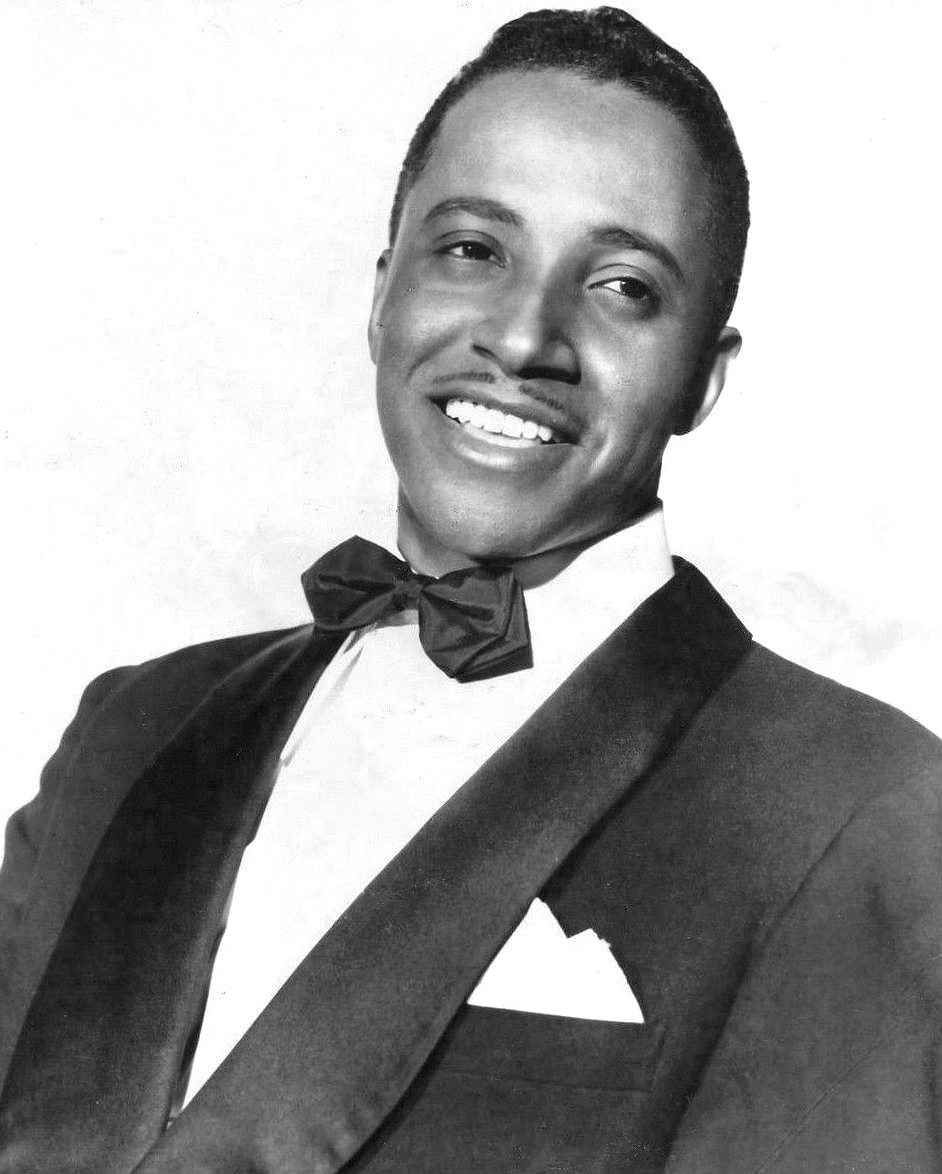 Tommy Edwardsartist
Thomas Jefferson Edwards was an American singer and songwriter. His most successful record was the multi-million-selling song "It's All in the Game", becoming the first African-American to reach No. 1 on the Billboard Hot 100.
 Johnny Aceartist
John Marshall Alexander Jr., known by the stage name Johnny Ace, was an American rhythm-and-blues singer. He had a string of hit singles in the mid-1950s. He emerged as a prominent figure in postwar R&B and gained fame with hits such as "My Song", "Cross My Heart", and "Pledging My Love". Ace's smooth vocal style and romantic ballads made him a popular artist, particularly on R&B radio stations and jukeboxes. At the height of his career, he toured extensively and was regarded as one of the most promising young stars in the genre.
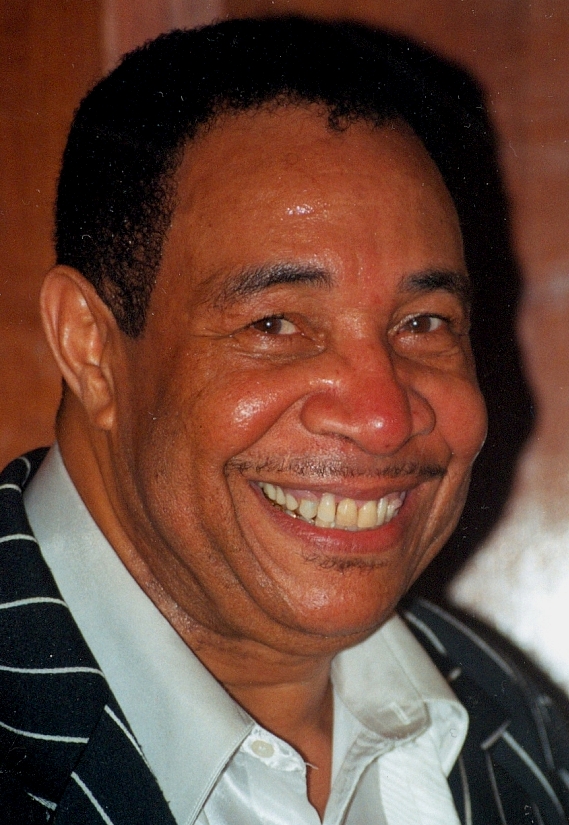 Gene Chandlerartist
Gene Chandler is an American singer, songwriter, music producer, and record-label executive. Chandler is nicknamed "the Duke of Earl" or, simply, "the Duke." He is best known for his most successful songs, "Duke of Earl" and "Groovy Situation", and his association with the Dukays, the Impressions, and Curtis Mayfield.
 Buddy Hollyartist
 Chuck Willisartist
Harold "Chuck" Willis was an American blues, rhythm and blues, and rock and roll singer and songwriter. His biggest hits, "C. C. Rider" (1957) and "What Am I Living For" (1958), both reached No. 1 on the Billboard R&B chart. He was known as 'The King of the Stroll' for his performance of the 1950s dance, the Stroll.
 Connie Francisartist