Roots of Gordon Lightfoot
The artists and genres Gordon Lightfoot came out of — one hop back on the influence tree.
 Harry Chapinartist
Harry Forster Chapin was an American singer-songwriter, philanthropist, and hunger activist best known for his folk rock and pop rock songs. He achieved worldwide success in the 1970s. Chapin, a Grammy Award-winning artist and Grammy Hall of Fame inductee, has sold over 16 million records worldwide.
 Bryan Adamsartist
 Pete Seegerartist
Peter Seeger was an American singer, songwriter, musician, and social activist. He was a fixture on nationwide radio in the 1940s, and had a string of hit records in the early 1950s as a member of The Weavers, especially their recording of Lead Belly's "Goodnight, Irene", which topped the charts for 13 weeks in 1950. Members of the Weavers were blacklisted during the McCarthy Era. In the 1960s, Seeger re-emerged on the public scene as a prominent singer of protest music in support of international disarmament, civil rights, workers' rights, counterculture, environmental causes, and ending the Vietnam War.
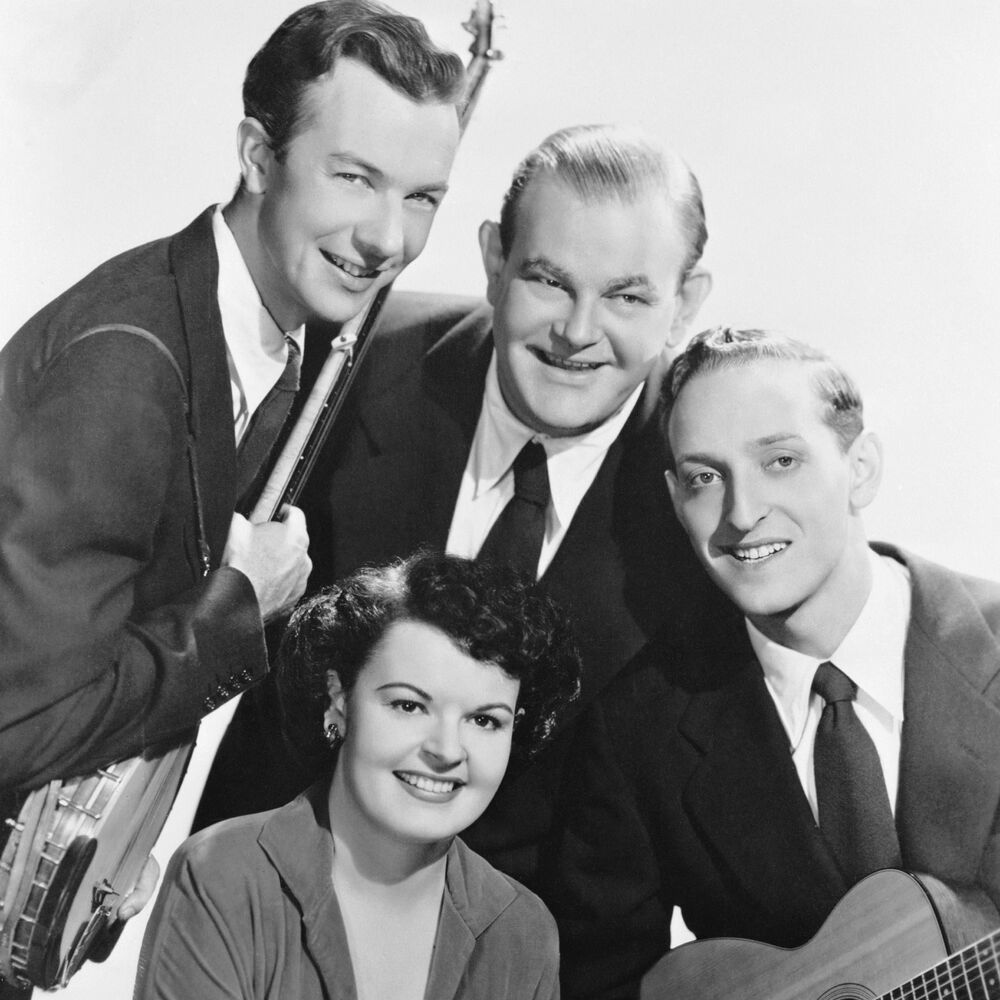 The Weaversartist
 Bob Dylanartist
 Me and Bobby McGeeartist
"Me and Bobby McGee" is a song written by American singer-songwriter Kris Kristofferson and originally performed by Roger Miller. Fred Foster shares the writing credit, as Kristofferson wrote the song based on a suggestion from Foster. A posthumously released version by Janis Joplin topped the Billboard Hot 100 in 1971, making the song the second posthumously released No. 1 single in U.S. chart history after "(Sittin' On) The Dock of the Bay" by Otis Redding. Gordon Lightfoot had previously released a version that reached number 1 on the Canadian country charts in 1970. Jerry Lee Lewis released a version that was number 1 on the country charts in December 1971/January 1972 as the "B" side of "Would You Take Another Chance on Me". Billboard ranked Joplin's version as the No. 11 song for 1971.
 The Jordanairesartist
 Vesta Williamsartist
Mary Vesta Williams was an American singer-songwriter, who performed across genres such as soul, funk, R&B, Quiet storm, jazz soul and Urban Contemporary. Originally credited as Vesta Williams, she was simply known as Vesta beginning in the 1990s. She was known for her four–octave vocal range. She once sang "The Star-Spangled Banner" for the Los Angeles Lakers game opener using all four of those octaves.