Artists like Bruce Channel
Kindred artists that sit next to Bruce Channel on the star chart — same era, adjacent sound, or overlapping influence. Tap any card to open its full page.
 The Contoursartist
The Contours are an American rhythm and blues vocal group. They recorded for Motown Records. They are known for their 1962 hit single "Do You Love Me", which sold over 1 million copies and became a major hit again in 1988.
 The Archiesartist
The Archies are an American fictional rock band featured in media produced by, and related to, Archie Comics. They are best remembered for their appearance in the animated TV series The Archie Show. In the context of the series, the band was founded by guitarist/vocalist Archie Andrews, drummer Jughead Jones, bassist Reggie Mantle, percussionist/vocalist Betty Cooper and keyboardist/vocalist Veronica Lodge.
 The Driftersartist
 Bobby Veeartist
 Frankie Valli & the Four Seasonsartist
The Four Seasons were an American rock band formed in 1960 in Newark, New Jersey. Since 1970, they have also been known at times as Frankie Valli and the Four Seasons. They are one of the best-selling musical groups of all time, having sold an estimated 100 million records worldwide.
 The Chiffonsartist
 Betty Everettartist
Betty Jean Everett was an American soul singer and pianist, best known for her biggest hit single, the million-selling "Shoop Shoop Song ", and her duet "Let It Be Me" with Jerry Butler.
 The Everly Brothersartist
 Scott McKenzieartist
Scott McKenzie was an American singer and songwriter who recorded the 1967 hit single "San Francisco ".
 The Box Topsartist
The Box Tops are an American rock band formed in Memphis, Tennessee in 1967. They are best known for the hits "The Letter", "Cry Like a Baby", and "Soul Deep" and are considered a major blue-eyed soul group of the period. They performed a mixture of current soul music songs by artists such as James & Bobby Purify and Clifford Curry; pop tunes like "A Whiter Shade of Pale" by Procol Harum; and songs written by their producers, Dan Penn, Spooner Oldham, and Chips Moman. Vocalist Alex Chilton later fronted the power pop band Big Star and performed as a solo artist.
 Neil Sedakaartist
 Jimmy Soulartist
Jimmy Soul was an American vocalist. He is best remembered for his 1963 number one hit, "If You Wanna Be Happy."
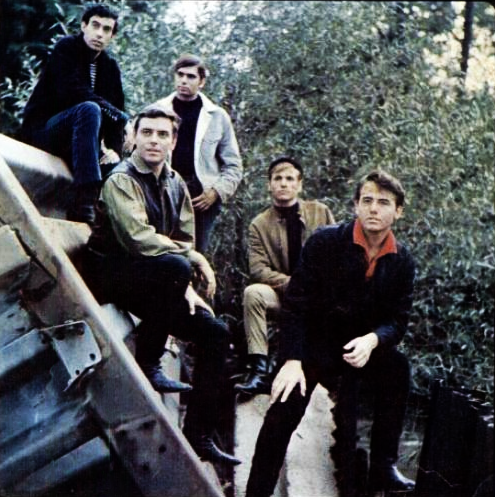 Jay & The Americansartist
Jay and the Americans are an American vocal group who were popular in the 1960s. Their initial line-up consisted of John "Jay" Traynor, Howard "Howie" Kane, Kenny Vance, and Sandy Deanne, though their greatest success on the charts in the United States and Canada came after Traynor left and once Jay Black and Marty Sanders joined the group; Black replaced Traynor as lead singer. They were inducted into the Vocal Group Hall of Fame in 2002.
 The Four Topsartist
The Four Tops are an American vocal group formed in Detroit, Michigan, in 1953 as the Four Aims. They were one of the most commercially successful American pop music groups of the 1960s and helped propel Motown Records to international fame. The group's repertoire has incorporated elements of soul, R&B, disco, adult contemporary, doo-wop, jazz, and show tunes. Lead singer Levi Stubbs, along with backing vocalists Abdul "Duke" Fakir, Renaldo "Obie" Benson and Lawrence Payton remained together in the group for more than four decades, performing until 1997 without a change in personnel. Along with fellow Motown groups the Miracles, the Marvelettes, Martha and the Vandellas, the Temptations, and the Supremes, the Four Tops helped to establish the "Motown sound"; pop-friendly soul and R&B with a clean, polished production quality. They were notable for having Stubbs, a baritone, as their lead singer, whereas most other male and mixed vocal groups of the time were fronted by tenors.
 Tommy James & The Shondellsartist
Tommy James and the Shondells is an American rock band formed in Niles, Michigan, in 1964. The band has had two No. 1 singles in the U.S.: "Hanky Panky" (1966), the band's only RIAA Certified Gold record, and "Crimson and Clover" (1968). The band also charted twelve other top 40 hits, including five in the Hot 100's Top 10: "I Think We're Alone Now" (1967), "Mirage" (1967), "Mony Mony" (1968), "Sweet Cherry Wine" (1969), and "Crystal Blue Persuasion" (1969).
 Bobby Darinartist
 Ritchie Valensartist
Richard Steven Valenzuela, better known by his stage name Ritchie Valens, was an American guitarist, singer, and songwriter. A rock and roll pioneer and a forefather of the Chicano rock movement, Valens died in a plane crash just eight months after his breakthrough.
 Herman's Hermitsartist
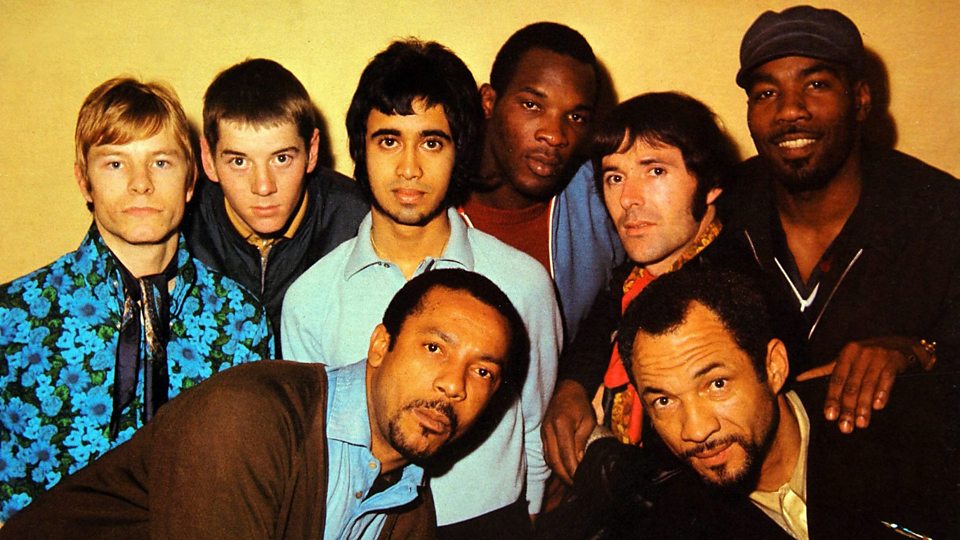 The Foundationsartist
The Foundations were a British soul band primarily active between 1967 and 1970. The group's background was West Indian, White British, and Sri Lankan. Their 1967 debut single "Baby Now That I've Found You" reached number one in the UK and Canada, and number eleven in the US. Their 1968 single "Build Me Up Buttercup" reached number two in the UK and number three on the US Billboard Hot 100. The group was the first multi-racial group to have a number one hit in the UK in the 1960s.
 Fats Dominoartist
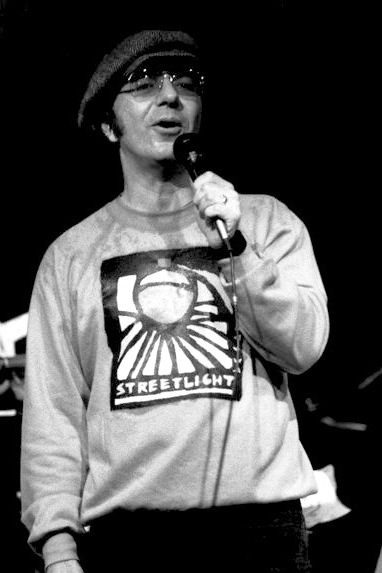 Dionartist
Dion Francis DiMucci, better known mononymously as Dion, is an American singer and songwriter. His music incorporates elements of doo-wop, pop, rock, R&B, folk and blues. Initially the lead singer of the vocal group Dion and the Belmonts, Dion embarked on a solo career, and was one of the most prominent rock and roll performers of the pre-British Invasion era. He had 39 Top 40 hits in the late 1950s and early 1960s as a solo performer, or with the Belmonts and the Del-Satins. He is best remembered for his signature hit songs "Runaround Sue", "The Wanderer", "Ruby Baby" and "Lovers Who Wander", among others.
 The Angelsartist
 The Righteous Brothersartist
The Righteous Brothers are an American musical duo originally formed by Bill Medley and Bobby Hatfield but now comprising Medley and Bucky Heard. Medley formed the group with Hatfield in 1963. They had first performed together in 1962 in the Los Angeles area as part of a five-member group called the Paramours, and adopted the name the Righteous Brothers when they became a duo. Their most active recording period was in the 1960s and '70s, and, after several years inactive as a duo, Hatfield and Medley reunited in 1981 and continued to perform until Hatfield's death in 2003. The term "blue-eyed soul" is thought to have been coined by Philadelphia radio DJ Georgie Woods in 1964 when describing the duo's music.