Artists like Charles Manson
Kindred artists that sit next to Charles Manson on the star chart — same era, adjacent sound, or overlapping influence. Tap any card to open its full page.
 Dave Bixbyartist
 Psychic TVartist
 Daniel Johnstonartist
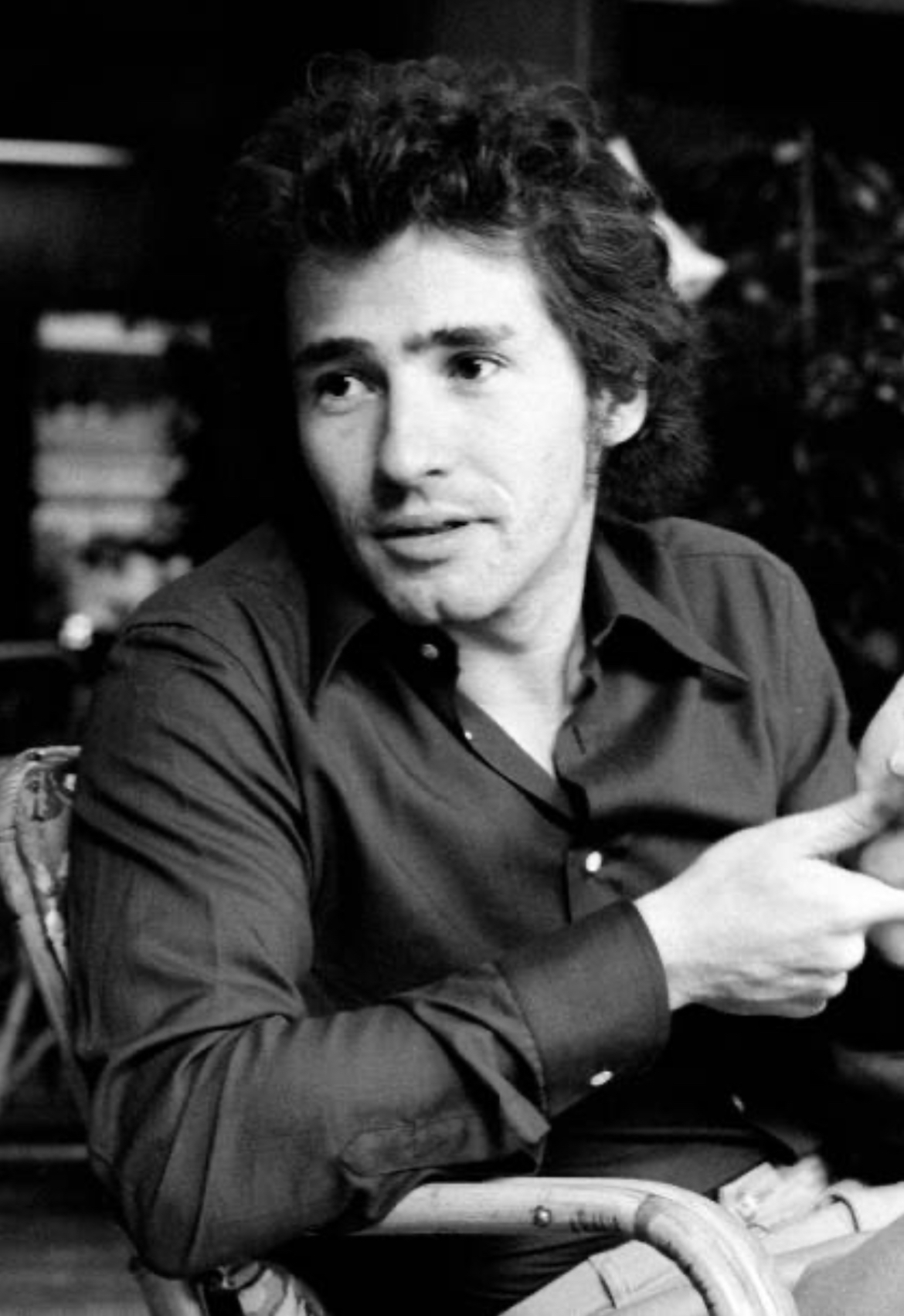 Tim Buckleyartist
Timothy Charles Buckley III was an American musician. He began his career based in folk rock, but subsequently experimented with genres such as psychedelia, jazz, the avant-garde, and funk.
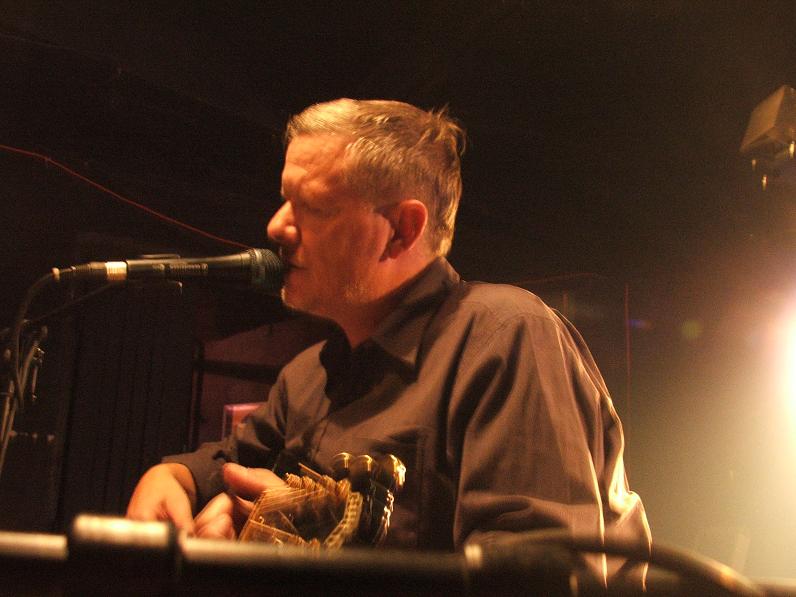 The Angels of Lightartist
Angels of Light was an American neofolk band that was formed circa 1998 by singer-songwriter and musician Michael Gira after he disbanded Swans, the group he had founded in 1982. The band has marked a distinctly different style for Gira since he left Swans, most noticeably being musically more melodic and less brutal than his previous efforts and with emphasis on acoustic instruments and folk and country influences.
 Jackson C. Frankartist
Jackson Carey Frank was an American folk musician. He released his first and only album in 1965, produced by Paul Simon. After the release of the record, Frank was plagued by a series of personal issues, and was diagnosed with schizophrenia and protracted depression that prevented him from maintaining his career.
 Mark Fryartist
 Donovanartist
 Six Organs of Admittanceartist
Six Organs of Admittance is the primary musical project of American guitarist Ben Chasny. Chasny's music is largely guitar-based and is often considered new folk; however, it includes obvious influences, marked by the use of drones, chimes, and eclectic percussive elements. He records albums for Drag City and Holy Mountain, among other labels.
 Syd Barrettartist
 Nick Drakeartist
Nicholas Rodney Drake was an English musician. An accomplished acoustic guitarist, Drake signed to Island Records at the age of twenty while still a student at the University of Cambridge. His debut album, Five Leaves Left, was released in 1969, and was followed by two more albums, Bryter Layter (1971) and Pink Moon (1972). He did not reach a wide audience during his lifetime, but found acclaim and wider recognition following his death.
 Norma Tanegaartist
 Connie Converseartist
Elizabeth Eaton Converse was an American singer-songwriter, best known under her professional name Connie Converse. She was active in New York City in the 1950s, and her work is among the earliest known recordings in the singer-songwriter genre of music in the U.S. Before and after the period in which she wrote her music she was an academic, writer, and assistant editor for the Far Eastern Survey, and editor for the Journal of Conflict Resolution.
 Pete Seegerartist
Peter Seeger was an American singer, songwriter, musician, and social activist. He was a fixture on nationwide radio in the 1940s, and had a string of hit records in the early 1950s as a member of The Weavers, especially their recording of Lead Belly's "Goodnight, Irene", which topped the charts for 13 weeks in 1950. Members of the Weavers were blacklisted during the McCarthy Era. In the 1960s, Seeger re-emerged on the public scene as a prominent singer of protest music in support of international disarmament, civil rights, workers' rights, counterculture, environmental causes, and ending the Vietnam War.
 Bill Fayartist
William Fay was an English singer-songwriter. His early recordings were released by Deram, but following the release of his second album in 1971, Fay was dropped by the label. His work enjoyed a growing cult status in the 1990s, and his older works were re-issued in 1998 and 2004–2005. Fay's 2012 album Life Is People was his first album of all-new material since 1971. His last album, Countless Branches, was released on 17 January 2020.
 Bert Janschartist
Herbert Jansch was a Scottish folk musician and founding member of the band Pentangle. He was born in Glasgow and came to prominence in London in the 1960s as an acoustic guitarist and singer-songwriter. He recorded more than 28 albums and toured extensively from the 1960s to the 21st century.
 Tia Blakeartist
Christiana Elizabeth "Tia" Wallman, known professionally as Tia Blake, was an American singer-songwriter and writer. She recorded the 1971 album Folk Songs & Ballads: Tia Blake and Her Folk-Group, which was released in France in a small pressing and reissued in 2011. Later accounts have described it as a lost or rediscovered folk album, and commentators have compared Blake with singers including Nick Drake and Nico.
 Matt Elliottartist
 Fred Neilartist
Fred Neil was an American folk singer-songwriter active in the 1960s and early 1970s. He is mainly known through other people's recordings of his material, particularly "Everybody's Talkin'", which became a hit for Harry Nilsson after it was used in the film Midnight Cowboy in 1969. Though highly regarded by contemporary folk singers, he was reluctant to tour and spent much of the last 30 years of his life assisting with the preservation of dolphins.
 The United States of Americaartist
The United States of America was an American psychedelic rock band founded in Los Angeles in 1967 by composer Joseph Byrd and vocalist Dorothy Moskowitz, with electric violinist Gordon Marron, bassist Rand Forbes and drummer Craig Woodson. Their 1968 self-titled album, often cited as an early showcase for the use of electronic devices in rock music, was met with critical acclaim and minor chart success. They disbanded shortly after its release.
 Jim Sullivanartist
James Anthony Sullivan was an American singer-songwriter and guitarist who released two albums before he disappeared without a trace in New Mexico.