Artists like Chuck Willis
Kindred artists that sit next to Chuck Willis on the star chart — same era, adjacent sound, or overlapping influence. Tap any card to open its full page.
 Big Joe Turnerartist
 Ivory Joe Hunterartist
Ivory Joe Hunter was an American rhythm-and-blues singer, songwriter, and pianist. After a series of hits on the US R&B chart starting in the mid-1940s, he became more widely known for his hit recording "Since I Met You Baby" (1956). He was billed as The Baron of the Boogie, and also known as The Happiest Man Alive. His musical output ranged from R&B to blues, boogie-woogie, and country music, and Hunter made a name in all of those genres. Uniquely, he was honored at both the Monterey Jazz Festival and the Grand Ole Opry.
 The Driftersartist
 Percy Mayfieldartist
Percy Mayfield was an American rhythm and blues singer with a smooth vocal style. He was also a songwriter, known for the songs "Please Send Me Someone to Love" and "Hit the Road Jack", the latter being a song first recorded by Ray Charles.
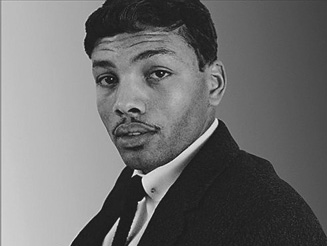 Larry Williamsartist
Lawrence Eugene Williams was an American rhythm and blues and rock and roll singer, songwriter, and pianist from New Orleans. He is most notable for writing and recording some rock and roll classics from 1957 to 1959 for Specialty Records, including "Bony Moronie", "Short Fat Fannie", "Slow Down", "Dizzy, Miss Lizzy" (1958), "Bad Boy" and "She Said Yeah" (1959). John Lennon was an admirer, and the Beatles and several other British Invasion groups recorded several of his songs.
 Bo Diddleyartist
 Fats Dominoartist
 Rosco Gordonartist
Rosco N. Gordon III, sometimes billed as Roscoe Gordon, was an American blues singer, pianist, and songwriter. He is best known for his hit songs "Booted," (1952), "No More Doggin'" (1952), and "Just a Little Bit" (1960). Gordon was a pioneer of the Memphis blues style. He played piano in a style known as the "Rosco rhythm," with the emphasis on the off-beat. This rhythm was an influence on later musical styles such as Jamaican ska and reggae. In 2026 Gordon was posthumously inducted into the Blues Hall of Fame
 Clarence "Frogman" Henryartist
Clarence Henry II, known as Clarence "Frogman" Henry, was an American rhythm and blues singer and pianist, best known for his hits "Ain't Got No Home" (1956) and "(I Don't Know Why) But I Do" (1961).
 Johnny "Guitar" Watsonartist
 Johnny Aceartist
John Marshall Alexander Jr., known by the stage name Johnny Ace, was an American rhythm-and-blues singer. He had a string of hit singles in the mid-1950s. He emerged as a prominent figure in postwar R&B and gained fame with hits such as "My Song", "Cross My Heart", and "Pledging My Love". Ace's smooth vocal style and romantic ballads made him a popular artist, particularly on R&B radio stations and jukeboxes. At the height of his career, he toured extensively and was regarded as one of the most promising young stars in the genre.
 Ray Charlesartist
 Ike & Tina Turnerartist
 Eddie Boartist
Edwin Joseph Bocage, known as Eddie Bo, was an American singer and pianist from New Orleans. Schooled in jazz, he was known for his blues, soul and funk recordings, compositions, productions and arrangements. He debuted on Ace Records in 1955 and released more single records than anyone in New Orleans other than Fats Domino.
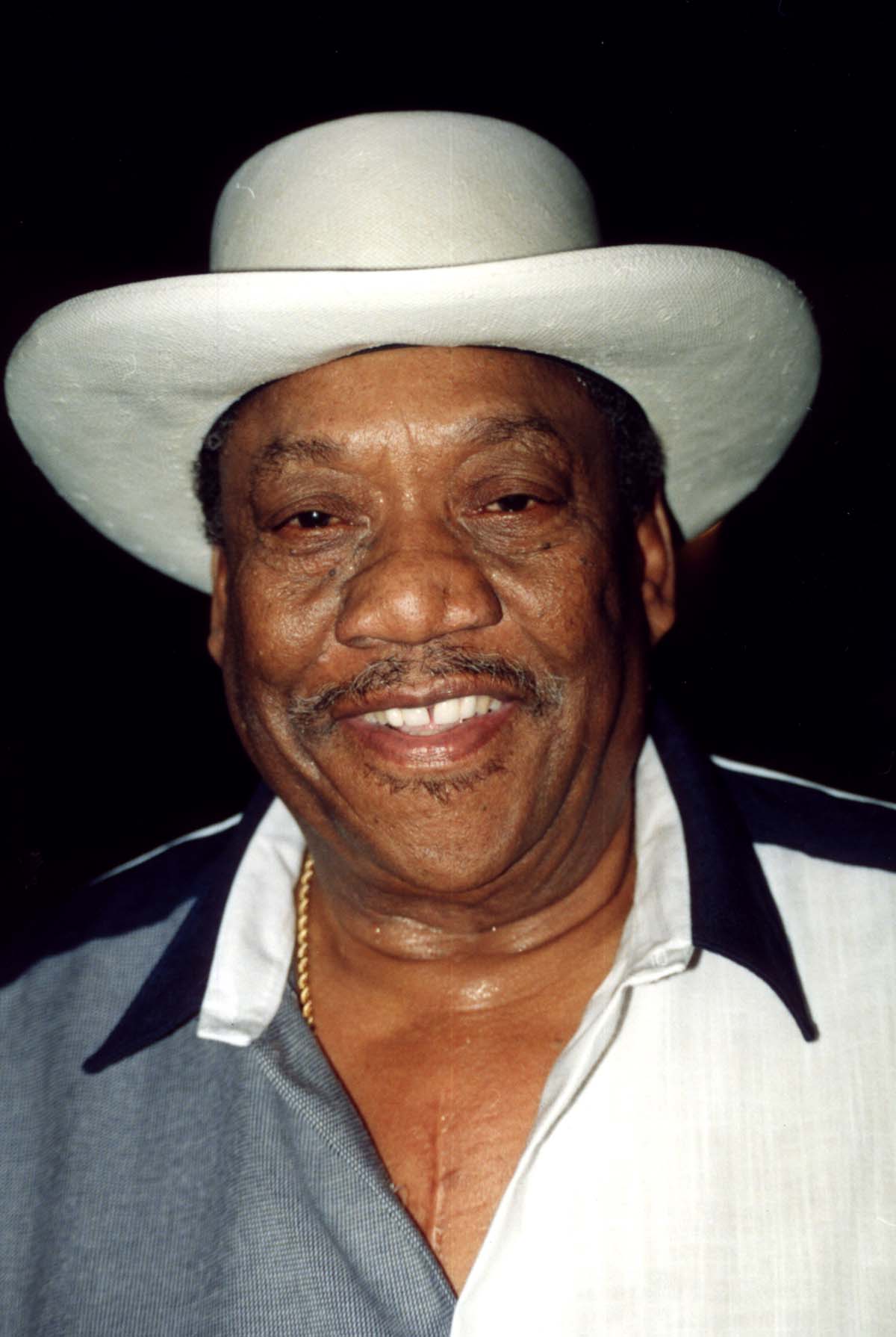 Bobby "Blue" Blandartist
Robert Calvin Bland, known professionally as Bobby "Blue" Bland, was an American blues singer. Bland developed a sound that mixed gospel with the blues and R&B. He was described as "among the great storytellers of blues and soul music... [who] created tempestuous arias of love, betrayal and resignation, set against roiling, dramatic orchestrations, and left the listener drained but awed." The inspiration behind his unique style was a Detroit Preacher, CL Franklin, because Bland studied his sermons. He was sometimes referred to as the "Lion of the Blues" and as the "Sinatra of the Blues". His music was influenced by Nat King Cole.