Artists like Donovan
Kindred artists that sit next to Donovan on the star chart — same era, adjacent sound, or overlapping influence. Tap any card to open its full page.
 Buffalo Springfieldartist
Buffalo Springfield was a Canadian-American rock band formed in Los Angeles in 1966 by Canadians Neil Young, Bruce Palmer and Dewey Martin and Americans Stephen Stills and Richie Furay. The group, widely known for the song "For What It's Worth", released three albums and several singles from 1966 to 1968. Their music combined elements of folk music and country music with influences from the British Invasion and psychedelic rock. Like the contemporary band the Byrds, they were key to the early development of folk rock. The band took their name from a steamroller parked outside their house.
 The Lovin' Spoonfulartist
 Fairport Conventionartist
Fairport Convention are an English folk rock band, formed in 1967 by guitarists Richard Thompson and Simon Nicol, bassist Ashley Hutchings and drummer Shaun Frater. They started out influenced by American folk rock, with a set list dominated by Bob Dylan and Joni Mitchell songs and a sound that earned them the nickname "the British Jefferson Airplane". Vocalists Judy Dyble and Iain Matthews joined them before the recording of their self-titled debut in 1968; afterwards, Dyble was replaced by Sandy Denny, and Matthews later left during the recording of their third album.
 Jefferson Airplaneartist
 Bert Janschartist
Herbert Jansch was a Scottish folk musician and founding member of the band Pentangle. He was born in Glasgow and came to prominence in London in the 1960s as an acoustic guitarist and singer-songwriter. He recorded more than 28 albums and toured extensively from the 1960s to the 21st century.
 Tim Buckleyartist
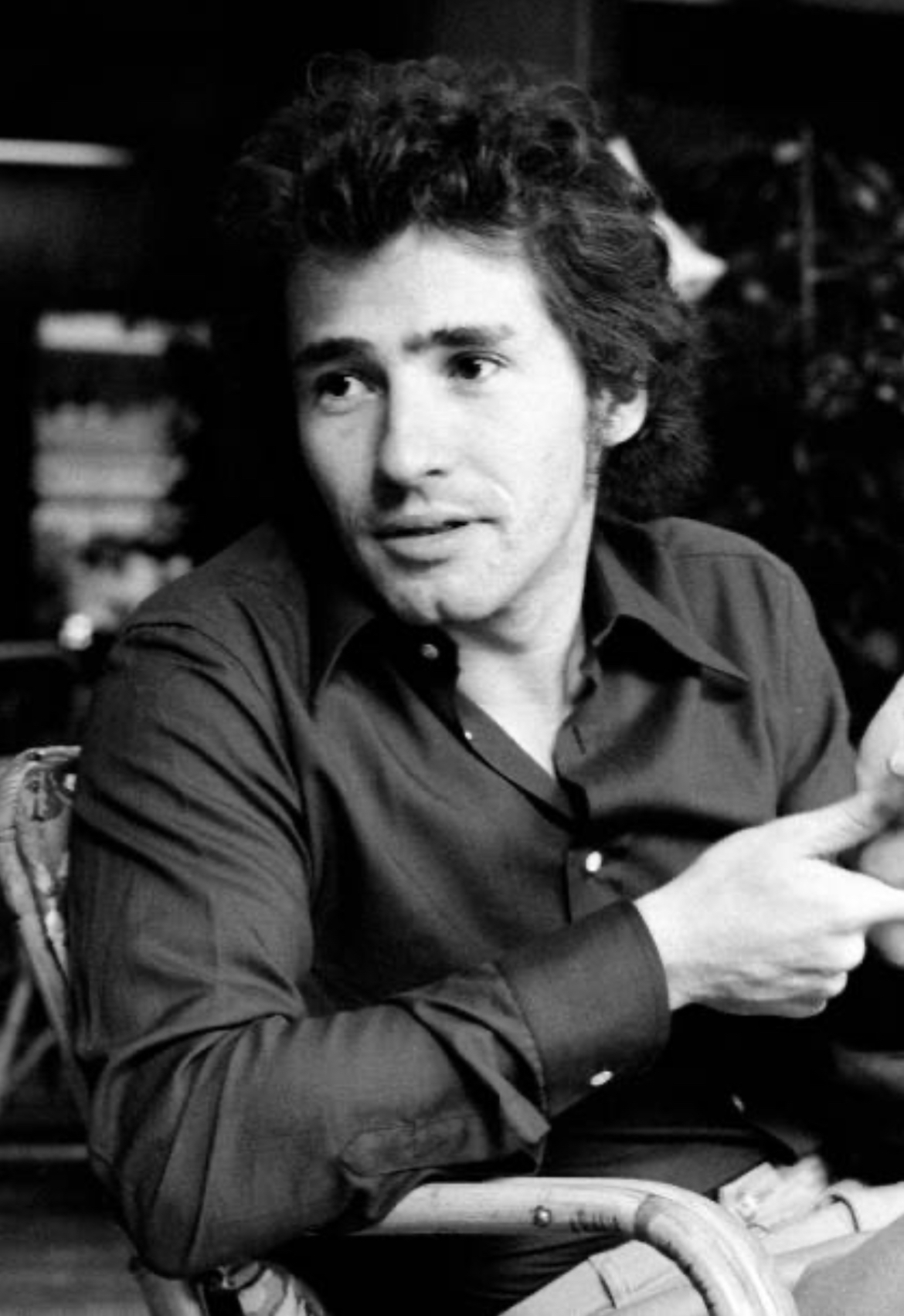
Timothy Charles Buckley III was an American musician. He began his career based in folk rock, but subsequently experimented with genres such as psychedelia, jazz, the avant-garde, and funk.
 Manfred Mannartist
Manfred Mann was an English-based rock band formed in London in 1962. They were named after their keyboardist Manfred Mann. The group had two lead vocalists: Paul Jones from 1962 to 1966 and Mike d'Abo from 1966 to 1969. Other members of various group line-ups were Mike Hugg, Mike Vickers, Dave Richmond, Tom McGuinness, Jack Bruce, Lyn Dobson, Henry Lowther and Klaus Voormann.
 Joan Baezartist
 The Mamas & the Papasartist
The Mamas & the Papas were an American-Canadian folk rock vocal group that recorded and performed from 1965 to 1968, with a brief reunion in 1971. The group was a defining force in the music scene of the counterculture of the 1960s. Formed in New York City, the group consisted of Americans John Phillips, Cass Elliot, and Michelle Phillips, and Canadian Denny Doherty. Its sound was based on vocal harmonies arranged by John Phillips – the songwriter and leader of the group – who adapted folk to the new beat style of the early 1960s.
 The West Coast Pop Art Experimental Bandartist
The West Coast Pop Art Experimental Band (WCPAEB) was an American psychedelic rock band formed in Los Angeles, California, in 1965.
 The Troggsartist
 The Pentangleartist
 The Yardbirdsartist
 Syd Barrettartist
 Creamartist
 Crosby, Stills & Nashartist
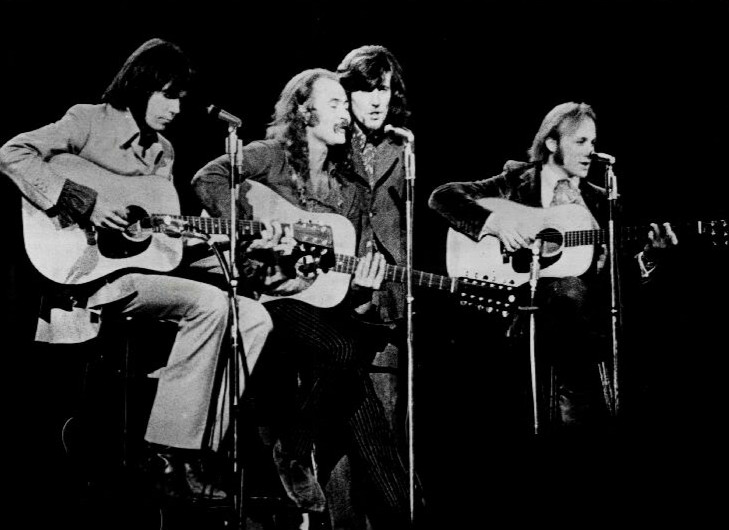
Crosby, Stills & Nash (CSN) was a folk rock supergroup composed of the American singer-songwriters David Crosby and Stephen Stills and the English-American singer-songwriter Graham Nash. When joined by the Canadian singer-songwriter Neil Young, they were known as Crosby, Stills, Nash & Young (CSNY). They are noted for their intricate vocal harmonies and lasting influence on American music and culture, their political activism and their tumultuous relationships.
 Pete Seegerartist
Peter Seeger was an American singer, songwriter, musician, and social activist. He was a fixture on nationwide radio in the 1940s, and had a string of hit records in the early 1950s as a member of The Weavers, especially their recording of Lead Belly's "Goodnight, Irene", which topped the charts for 13 weeks in 1950. Members of the Weavers were blacklisted during the McCarthy Era. In the 1960s, Seeger re-emerged on the public scene as a prominent singer of protest music in support of international disarmament, civil rights, workers' rights, counterculture, environmental causes, and ending the Vietnam War.
 The Youngbloodsartist
The Youngbloods were an American rock band consisting of Jesse Colin Young, Jerry Corbitt, Lowell "Banana" Levinger, and Joe Bauer (drums). Despite receiving critical acclaim, they never achieved widespread popularity. Their only U.S. Top 40 entry was Chet Powers's "Get Together".
 Moby Grapeartist
 The Associationartist
The Association is an American sunshine pop band from Los Angeles, California. During the late 1960s, the band had numerous hits at or near the top of the Billboard charts and were the opening act at 1967's Monterey Pop Festival. Generally consisting of six to eight members, they are known for intricate vocal harmonies by the band's multiple singers.
 Kaleidoscopeartist
 Roy Harperartist
Roy Harper is an English folk rock singer, songwriter, poet and guitarist. He has released 22 studio albums across a career that stretches back to 1966. As a musician, Harper is known for his distinctive fingerstyle playing and lengthy, lyrical, complex compositions, reflecting his love of jazz and the poet John Keats.
 Judy Collinsartist
 Fred Neilartist
Fred Neil was an American folk singer-songwriter active in the 1960s and early 1970s. He is mainly known through other people's recordings of his material, particularly "Everybody's Talkin'", which became a hit for Harry Nilsson after it was used in the film Midnight Cowboy in 1969. Though highly regarded by contemporary folk singers, he was reluctant to tour and spent much of the last 30 years of his life assisting with the preservation of dolphins.