Artists like Snooks Eaglin
Kindred artists that sit next to Snooks Eaglin on the star chart — same era, adjacent sound, or overlapping influence. Tap any card to open its full page.
 J.B. Lenoirartist
J. B. Lenoir was an American blues guitarist and singer-songwriter, active in the Chicago blues scene in the 1950s and 1960s. In The Encyclopedia of Popular Music he is described as both an "extrovert R&B man in the leopard-skin jacket who chanted infectious trifles" and a "thoughtful and intelligent writer of starkly honest blues songs."
 Bo Diddleyartist
 Leadbellyartist
Huddie William Ledbetter, better known by the stage name Lead Belly, was an American folk and blues singer notable for his strong vocals, virtuosity on the twelve-string guitar, and the folk standards he introduced, including his renditions of "In the Pines", "Pick a Bale of Cotton", "Goodnight, Irene", "Black Betty", "Midnight Special", "Cotton Fields", and "Boll Weevil".
 Elmore Jamesartist
Elmore James was an American blues guitarist, singer, songwriter, and bandleader. Noted for his use of loud amplification and his stirring voice, James was inducted into the Rock and Roll Hall of Fame in 1992. His slide guitar technique earned him the nickname "King of the Slide Guitar".
 Skip Jamesartist
Nehemiah Curtis "Skip" James was an American Delta blues singer, guitarist, pianist and songwriter. AllMusic stated: "Coupling an oddball guitar tuning set against eerie, falsetto vocals, James' early recordings could make the hair stand up on the back of your neck."
 Little Walterartist
 Son Houseartist
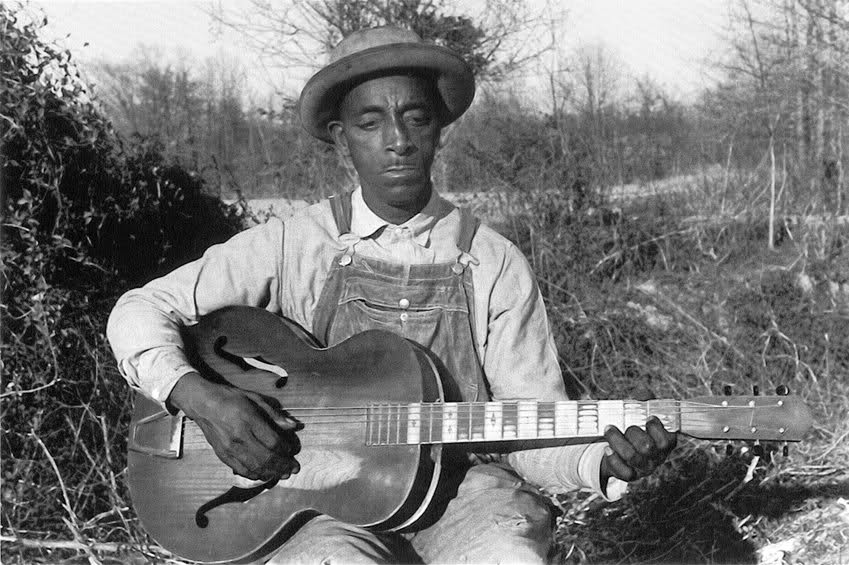 Mississippi Fred McDowellartist
Fred McDowell, known by his stage name Mississippi Fred McDowell, was an American singer-songwriter and guitarist of hill country blues music.
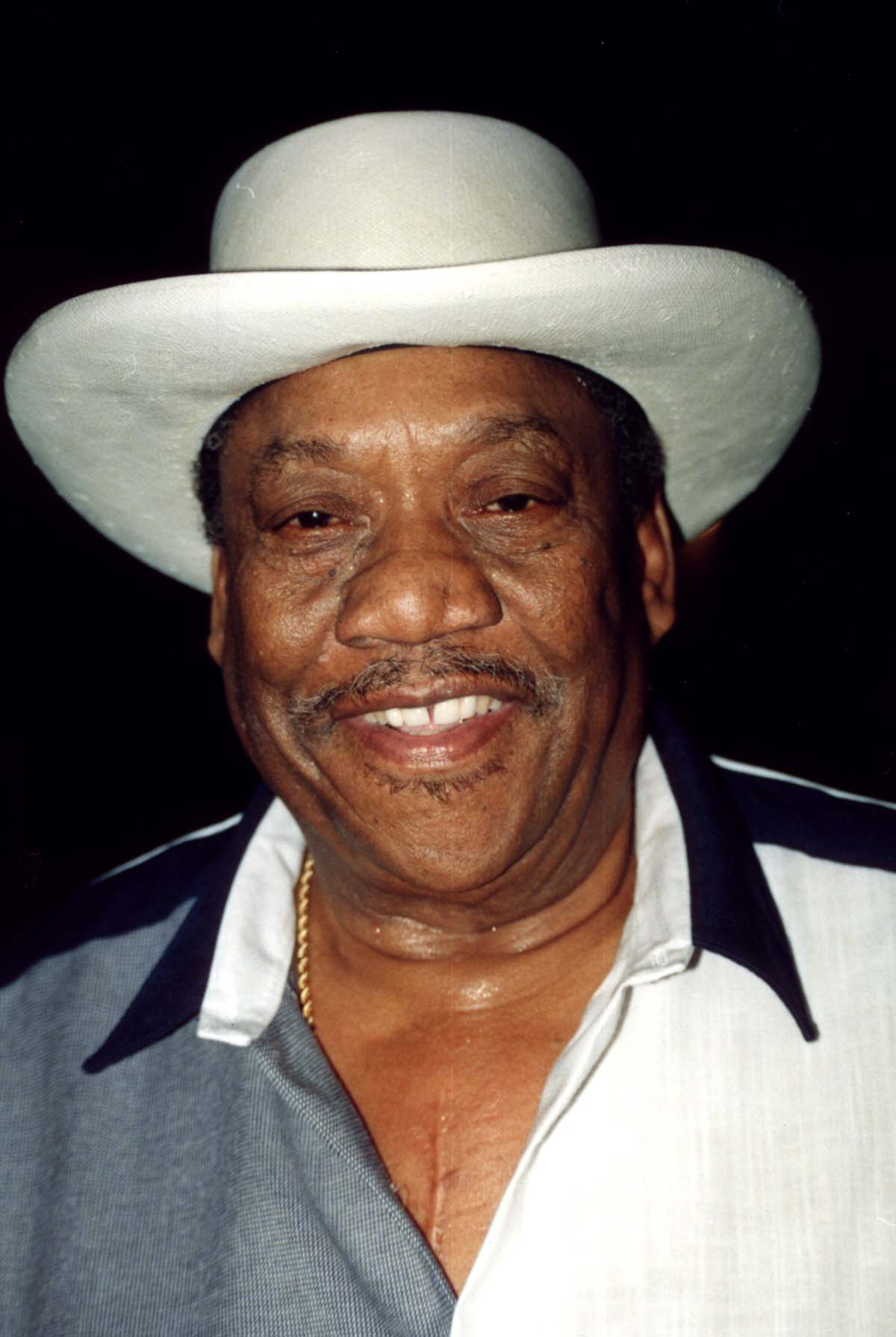 Bobby "Blue" Blandartist
Robert Calvin Bland, known professionally as Bobby "Blue" Bland, was an American blues singer. Bland developed a sound that mixed gospel with the blues and R&B. He was described as "among the great storytellers of blues and soul music... [who] created tempestuous arias of love, betrayal and resignation, set against roiling, dramatic orchestrations, and left the listener drained but awed." The inspiration behind his unique style was a Detroit Preacher, CL Franklin, because Bland studied his sermons. He was sometimes referred to as the "Lion of the Blues" and as the "Sinatra of the Blues". His music was influenced by Nat King Cole.
 Bukka Whiteartist
Booker T. Washington "Bukka" White was an American Delta blues guitarist and singer. His first full-length biography, The Life and Music of Booker "Bukka" White: Recalling the Blues (2024), has been published by the University Press of Mississippi.
 Rev. Gary Davisartist
Gary D. Davis, known as Reverend Gary Davis and Blind Gary Davis, was an American blues and gospel singer who was also proficient on the banjo, guitar and harmonica. Born in Laurens, South Carolina, and blind since infancy, Davis first performed professionally in the Piedmont blues scene of Durham, North Carolina, in the 1930s, then converted to Christianity and became a minister. After moving to New York in the 1940s, Davis experienced a career rebirth as part of the American folk music revival that peaked during the 1960s. Davis' most notable recordings include "Samson and Delilah" and "Death Don't Have No Mercy".
 Sleepy John Estesartist
 Jimmy Witherspoonartist
 Koko Taylorartist
 Guitar Slimartist
 John Lee Hookerartist
 Magic Samartist