Artists like Tony Allen
Kindred artists that sit next to Tony Allen on the star chart — same era, adjacent sound, or overlapping influence. Tap any card to open its full page.
 Fela Kutiartist
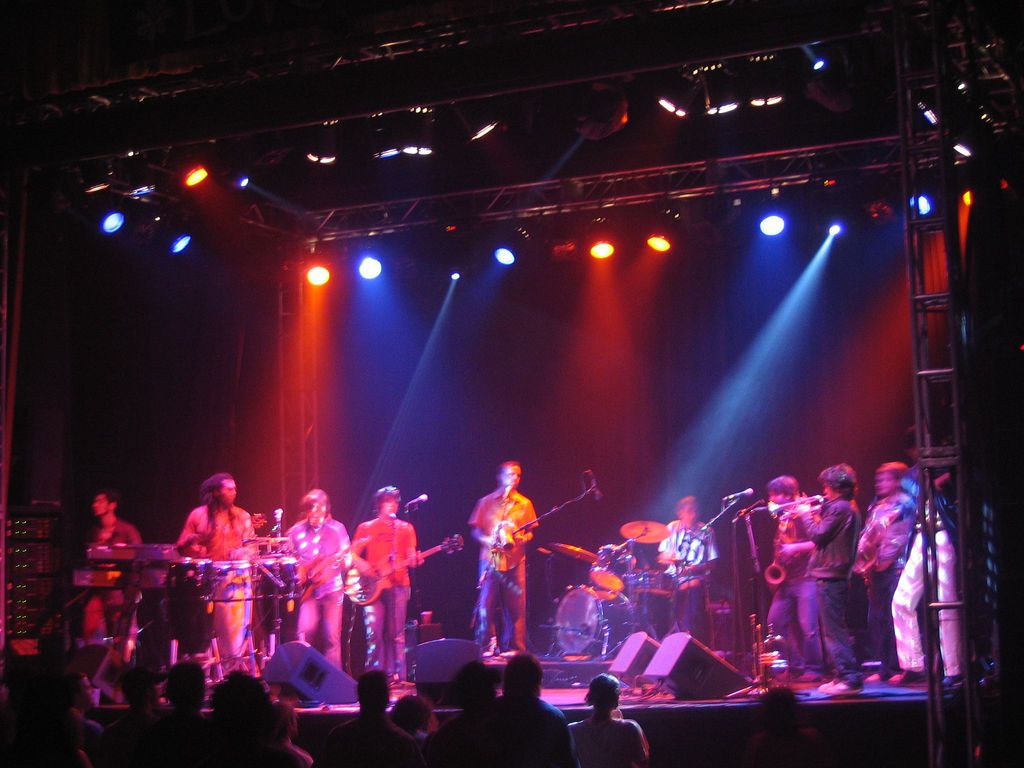 Antibalas Afrobeat Orchestraartist
Antibalas is an American, Brooklyn-based afrobeat band founded in 1998 by Martín Perna. Initially inspired by Fela Kuti's Africa 70 band and Eddie Palmieri's Harlem River Drive Orchestra, the music generally follows the musical architecture and language of afrobeat and incorporates elements of jazz, funk, dub, improvised music, and traditional drumming from Cuba and West Africa.
 Ebo Taylorartist
 Manu Dibangoartist
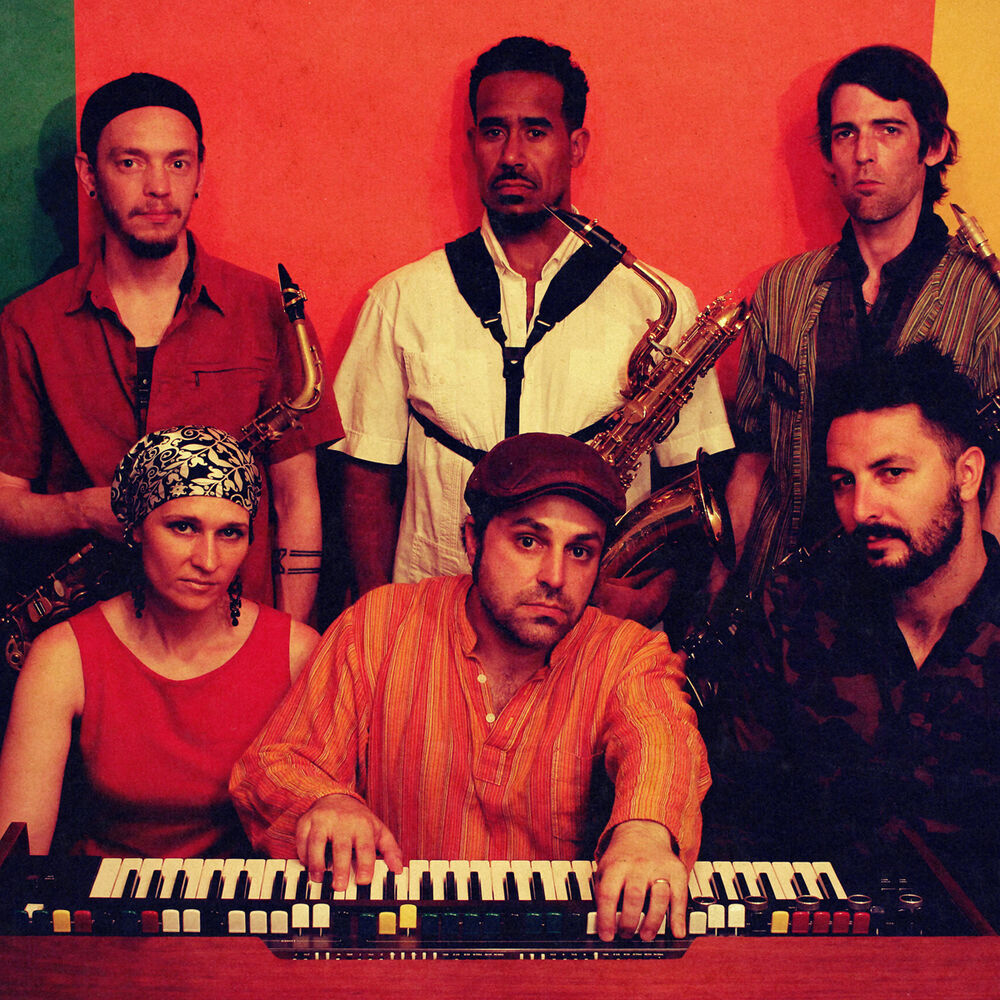 The Souljazz Orchestraartist
 Seun Kutiartist
 William Onyeaborartist
William Ezechukwu Onyeabor was a Nigerian funk musician and businessman. His music was widely heard in Nigeria in the late 1970s and early 1980s. Despite his success, he remained an enigmatic, private, and reclusive figure.
 Hugh Masekelaartist
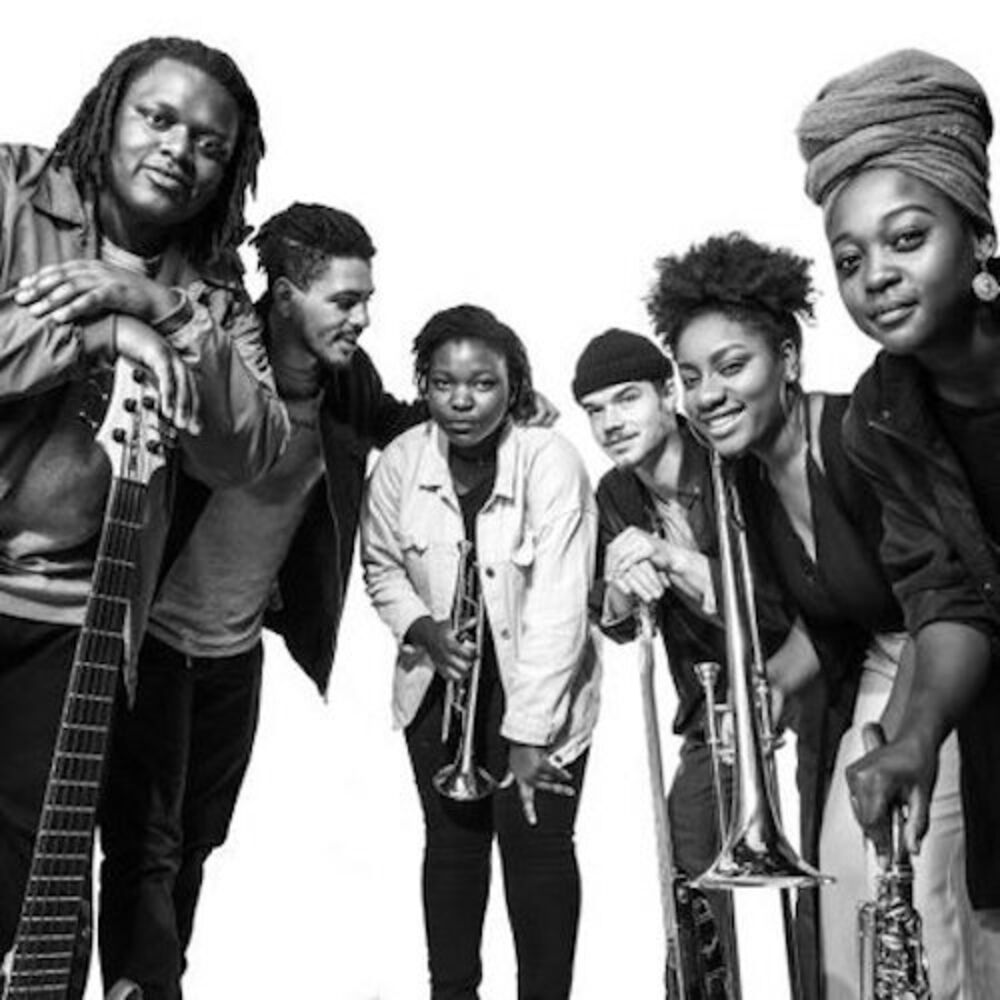 Kokorokoartist
 Nubiyan Twistartist
 The Budos Bandartist
The Budos Band is a North American instrumental band from Staten Island, New York, formed in 2005. AllMusic describes the group as a "doom rock Afro-soul big band with a '70s touch" that joins "musical universes from trippy psychedelia and Afro-funk to '70s hard rock and late-'60s soul." They have described themselves as "70's Psychedelic Instrumental Music," and "Afro-soul inspired by Ethiopian music with a soul undercurrent" and "sprinkled a little bit of sweet 60's stuff on top." One press release described the band as “sounding as if Quentin Tarantino was the music supervisor for a Bond film". Their more recent albums have incorporated sounds from 1970s jazz, funk, Afro-Beat, underground rock, and proto-metal. They have been signed to Daptone Records throughout their career.
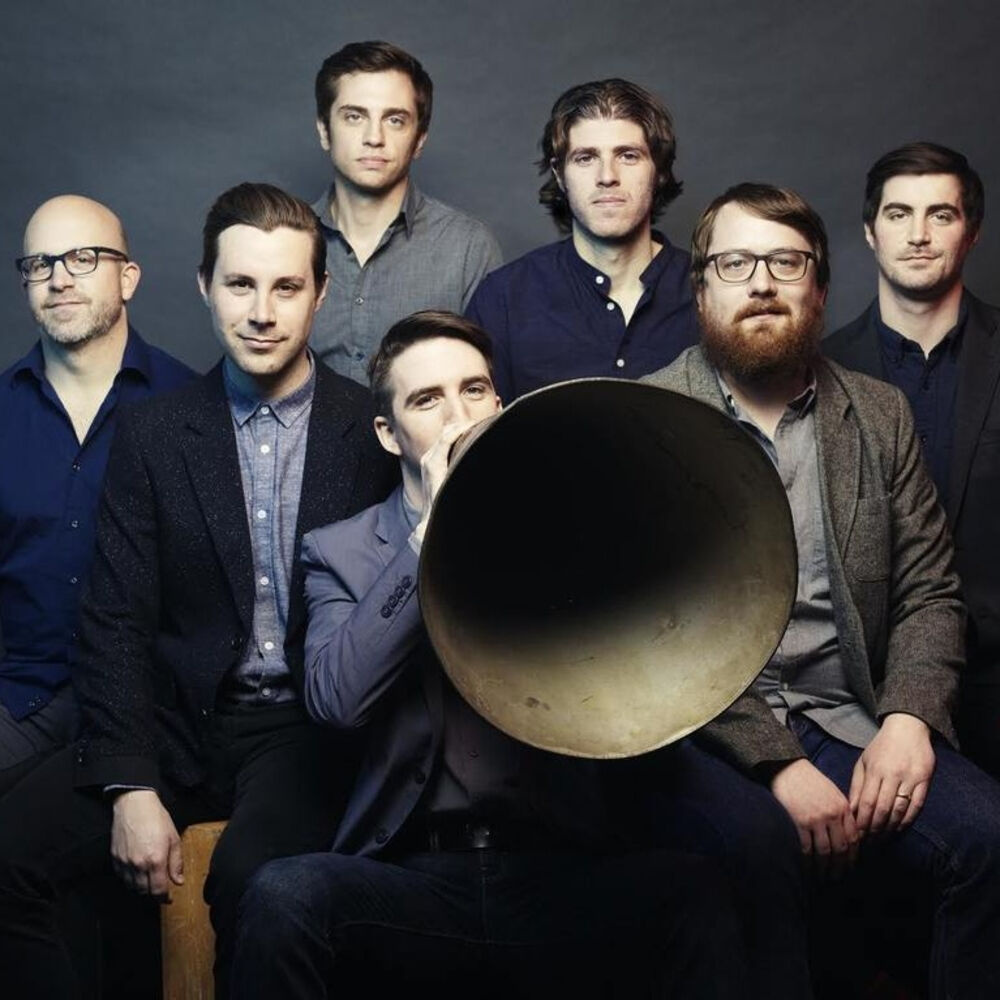 Ikebe Shakedownartist
 Orlando Juliusartist
Orlando Julius Aremu Olusanya Ekemode, known professionally as Orlando Julius or Orlando Julius Ekemode was a Nigerian saxophonist, singer, bandleader, and songwriter closely associated with afrobeat music.
 The Lijadu Sistersartist
 The Shaolin Afronautsartist
 Mulatu Astatkeartist
Mulatu Astatke is an Ethiopian musician and arranger considered the father of "Ethio-jazz".
 Orchestre Poly-Rythmo de Cotonouartist
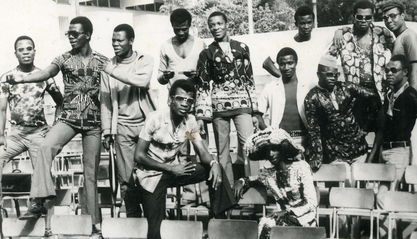
Orchestre Poly-Rythmo de Cotonou is a band from Cotonou, Benin, originally active from the 1960s to the 1980s and founded by singer-guitarist Mélomé Clément. They reformed in 2009 to international recognition. Their work has mixed styles such as funk, afrobeat, psychedelia, jazz and local voodoo influences. The Guardian called them "one of West Africa's best dance bands."
 Oneness of Jujuartist
 The Sorcerersartist
 Menahan Street Bandartist
Menahan Street Band is an American, Brooklyn, New York–based instrumental band formed in 2007, that plays funk and soul music. The band features musicians from Antibalas, El Michels Affair, Sharon Jones & The Dap-Kings and the Budos Band. The group was founded by Thomas Brenneck while living in an apartment on Menahan Street in the Brooklyn neighborhood of Bushwick. Their debut album, Make the Road by Walking, was released in 2008 on Dunham, a sublabel of Daptone Records and was followed by The Crossing in 2012.
 El Michels Affairartist
 Orchestra Baobabartist
Orchestra Baobab is a Senegalese band established in 1970 as the house band of the Baobab Club in Dakar. Many of the band's original members had previously played with Star Band de Dakar in the 1960s. Directed by timbalero and vocalist Balla Sidibé, the group featured saxophonists Issa Cissoko and Thierno Koité, two singers, two guitarists and a rhythm section with drums, congas and bass guitar. Since their formation, the band has predominantly played a mix of son cubano, Wolof music, and to a lesser extent Mande musical traditions. Following the deaths of Cissoko in 2019 and Sidibé in 2020, Thierno Koité has become the leader of the band.
 Vaudou Gameartist
 Lettuceartist
Lettuce is a North American funk band originating from Boston, Massachusetts in 1992. Its members are guitarist Adam "Shmeeans" Smirnoff, Nigel Hall, Adam Deitch (drums/percussion), Erick "Maverick" Coomes (bass), Ryan Zoidis (saxophone) and Eric "Benny" Bloom (trumpet).