Artists like Van Morrison
Kindred artists that sit next to Van Morrison on the star chart — same era, adjacent sound, or overlapping influence. Tap any card to open its full page.
 Paul Simonartist
 Neil Young & Crazy Horseartist
Neil Percival Young is a Canadian and American singer-songwriter. Son of journalist and author Scott Young, Young embarked on a music career in Winnipeg in the 1960s. He then moved to Los Angeles, forming the folk rock group Buffalo Springfield. His solo career, often backed by the band Crazy Horse, includes critically acclaimed albums such as Everybody Knows This Is Nowhere (1969), After the Gold Rush (1970), Harvest (1972), On the Beach (1974), and Rust Never Sleeps (1979). Young was also a part-time member of Crosby, Stills, Nash & Young, with whom he recorded the chart-topping 1970 album Déjà Vu.
 Mark Knopflerartist
 Eric Claptonartist
 The Waterboysartist
The Waterboys are a rock band formed in 1983 in London by Scottish musician and songwriter Mike Scott. The band's membership, past and present, has been composed mainly of musicians from Britain and Ireland, with Scott being the only constant member. Over a four-decade career, the band has drawn on multiple styles of music including punk rock, rock and roll, folk music, Celtic soul, noise rock, country music, rhythm & blues and chamber music.
 Rod Stewartartist
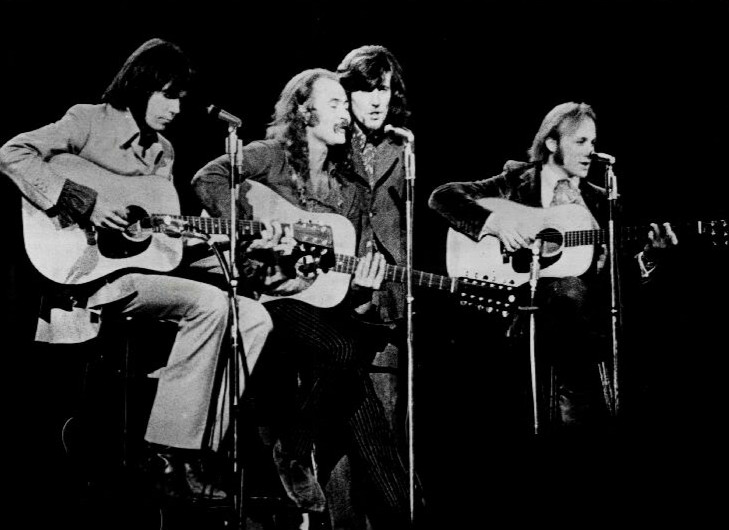 Crosby, Stills & Nashartist
Crosby, Stills & Nash (CSN) was a folk rock supergroup composed of the American singer-songwriters David Crosby and Stephen Stills and the English-American singer-songwriter Graham Nash. When joined by the Canadian singer-songwriter Neil Young, they were known as Crosby, Stills, Nash & Young (CSNY). They are noted for their intricate vocal harmonies and lasting influence on American music and culture, their political activism and their tumultuous relationships.
 Joan Armatradingartist
- Crosby, Stills, Nash & Youngartist
Crosby, Stills & Nash (CSN) was a folk rock supergroup composed of the American singer-songwriters David Crosby and Stephen Stills and the English-American singer-songwriter Graham Nash. When joined by the Canadian singer-songwriter Neil Young, they were known as Crosby, Stills, Nash & Young (CSNY). They are noted for their intricate vocal harmonies and lasting influence on American music and culture, their political activism and their tumultuous relationships.
 John Mellencampartist
 Bruce Springsteen & The E Street Bandartist
Bruce Frederick Joseph Springsteen is an American singer, songwriter, and musician. Nicknamed "the Boss", Springsteen has released 21 studio albums spanning six decades; most feature the E Street Band, his backing band since 1972.
 Lucinda Williamsartist
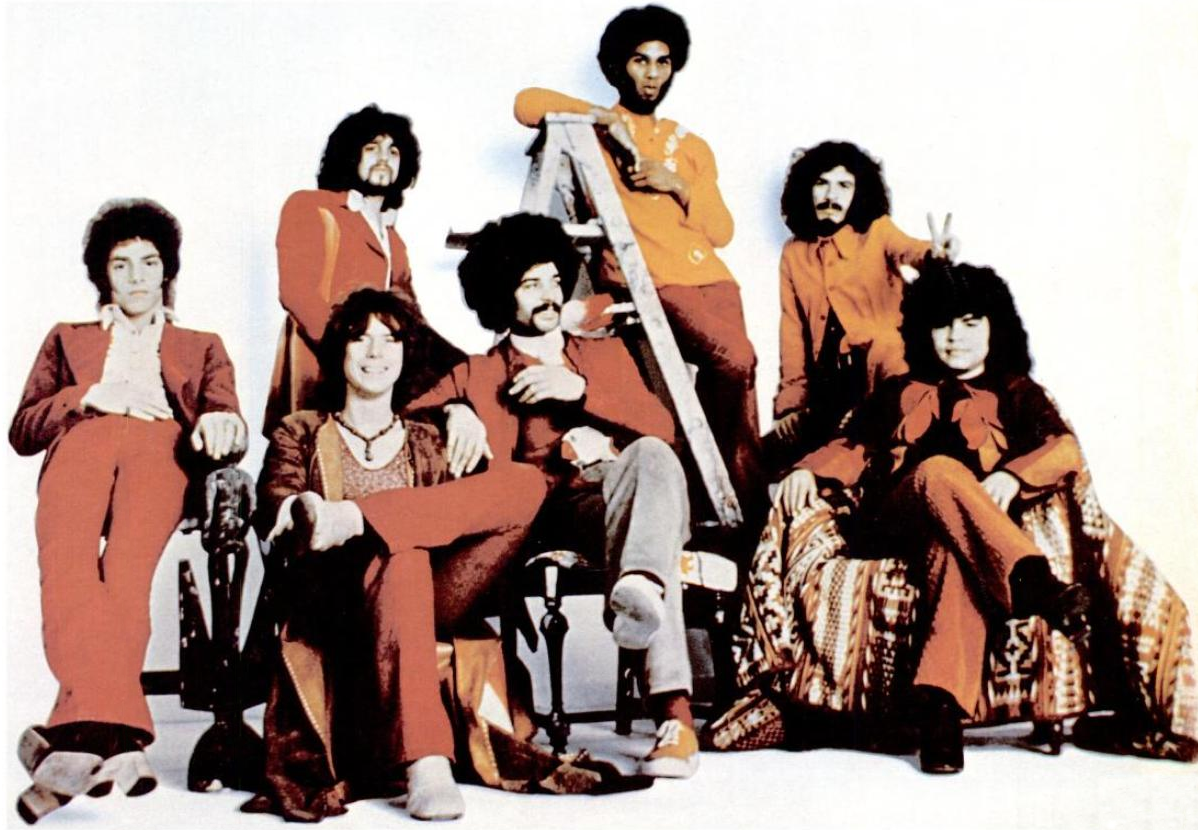 Santanaartist
Santana is an American rock band formed in San Francisco, California in 1966 by Mexican-American guitarist Carlos Santana. The band has had various recording and performing line-ups in its history, with Santana being the only consistent member. After signing with Columbia Records, the band's appearance at the Woodstock Festival in 1969 increased their profile and they went on to record the critically acclaimed and commercially successful albums Santana (1969), Abraxas (1970) and Santana III (1971). These were recorded by the group's "classic" line-up, comprising organist and lead vocalist Gregg Rolie, percussionists José "Chepito" Areas and Michael Carabello, drummer Michael Shrieve and bassist David Brown. Hit songs of this period include "Evil Ways" (1970), "Black Magic Woman" (1970), "Oye Como Va" (1971) and the instrumental "Samba Pa Ti" (1970).
 Facesartist
Faces are an English rock band formed in London in 1969. They formed after Small Faces lead singer and guitarist Steve Marriott left to form Humble Pie, and the remaining Small Faces—bassist Ronnie Lane, drummer Kenney Jones, and keyboardist Ian McLagan—recruited lead singer Rod Stewart and guitarist Ronnie Wood, both formerly of the Jeff Beck Group, and shortened the band's name to Faces.
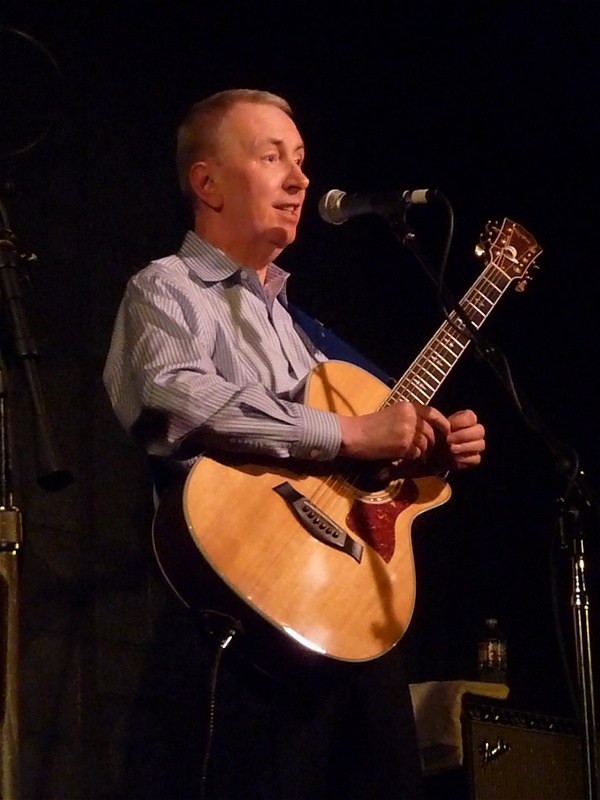 Al Stewartartist
Alastair Ian Stewart is a British singer-songwriter and folk-rock musician who rose to prominence as part of the British folk revival in the 1960s and 1970s. He developed a style of combining folk-rock songs with tales of characters and events from history.