Roots of Orange Juice
The artists and genres Orange Juice came out of — one hop back on the influence tree.
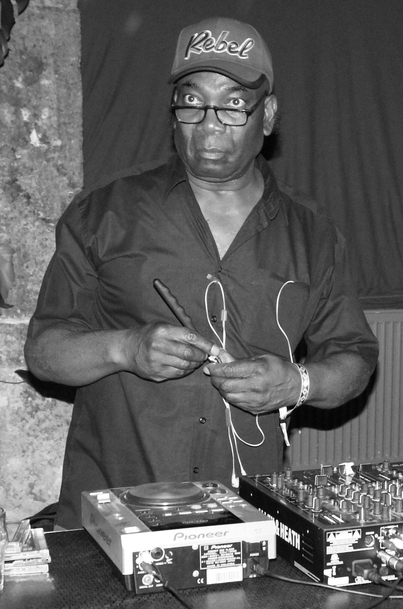 Dennis Bovellartist
Dennis Bovell is a Barbados-born reggae guitarist, bass player and record producer, based in the United Kingdom. He was a member of a progressive rock group called Stonehenge, who later changed name and became the British reggae band Matumbi, and released dub-reggae records under his own name as well as the pseudonym Blackbeard. He is most widely known for his decades-spanning collaborations with Linton Kwesi Johnson.
 Televisionartist
Television was an American rock band formed in New York City in 1973. The group's most prominent lineup consisted of Tom Verlaine, Richard Lloyd (guitar), Billy Ficca (drums), and Fred Smith (bass). An early fixture of CBGB and the 1970s New York rock scene, the band is considered influential in the development of punk rock and alternative rock.
 Buzzcocksartist
 The Byrdsartist
 The Velvet Undergroundartist
 Josef Kartist
 Simple Mindsartist
 The Go-Betweensartist
 The Undertonesartist
 Scritti Polittiartist
 Al Greenartist
 The Staple Singersartist
 The Four Topsartist
The Four Tops are an American vocal group formed in Detroit, Michigan, in 1953 as the Four Aims. They were one of the most commercially successful American pop music groups of the 1960s and helped propel Motown Records to international fame. The group's repertoire has incorporated elements of soul, R&B, disco, adult contemporary, doo-wop, jazz, and show tunes. Lead singer Levi Stubbs, along with backing vocalists Abdul "Duke" Fakir, Renaldo "Obie" Benson and Lawrence Payton remained together in the group for more than four decades, performing until 1997 without a change in personnel. Along with fellow Motown groups the Miracles, the Marvelettes, Martha and the Vandellas, the Temptations, and the Supremes, the Four Tops helped to establish the "Motown sound"; pop-friendly soul and R&B with a clean, polished production quality. They were notable for having Stubbs, a baritone, as their lead singer, whereas most other male and mixed vocal groups of the time were fronted by tenors.