Artists like Break Machine
Kindred artists that sit next to Break Machine on the star chart — same era, adjacent sound, or overlapping influence. Tap any card to open its full page.
 Imaginationartist
 Kool & The Gangartist
 Shalamarartist
Shalamar is an American R&B and soul music vocal group created by Dick Griffey and Don Cornelius in 1977 and active throughout the 1980s. Shalamar's classic lineup on the SOLAR label consisted of Howard Hewett, Jody Watley, and Jeffrey Daniel. It was originally a disco-driven group created by Soul Train booking agent Dick Griffey and show creator and producer Don Cornelius. They went on to be an influential dance trio managed by Dick Griffey. Initially signed to Soul Train Records they transferred to Griffey's Solar Records after the Cornelius-Griffey Entertainment company was dissolved. According to British Hit Singles & Albums, they were fashion icons and trendsetters, and helped to introduce "body-popping" to the United Kingdom. Their name was created by Griffey.
 Mantronixartist
Mantronix was an influential 1980s hip hop and electro funk music group from New York City. The band was formed by DJ Kurtis Mantronik and rapper MC Tee. The group is primarily remembered for its pioneering blend of old school hip hop, electronic, and club music. They underwent several genre and line-up changes during its seven-year existence between 1984 and 1991, and released five albums beginning with their 1985 debut The Album.
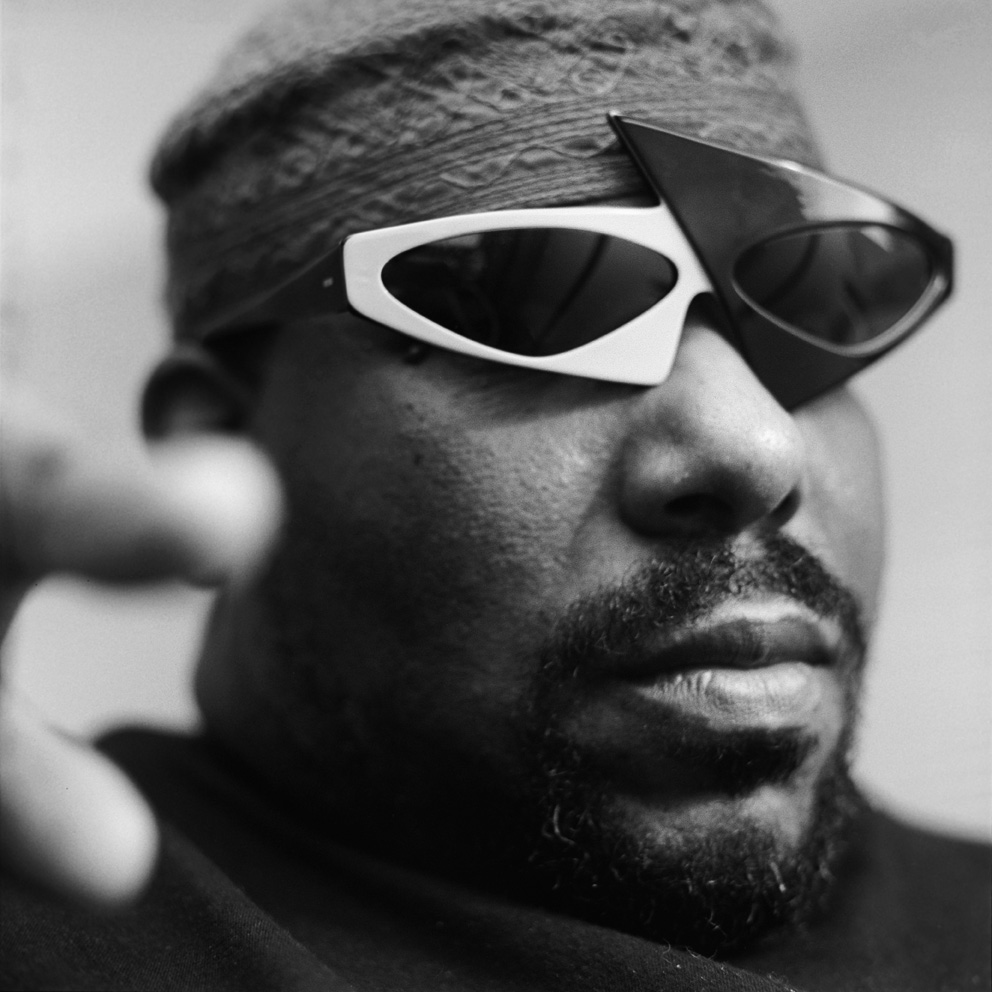 Afrika Bambaataaartist
Lance Taylor, known professionally as Afrika Bambaataa, was an American disc jockey, rapper and record producer. He was notable for releasing a series of genre-defining electro tracks in the 1980s that influenced the development of hip-hop culture. Bambaataa was one of the originators of breakbeat DJing.
 Oliver Cheathamartist
Oliver Cheatham was an American contemporary R&B singer who is best remembered for his 1983 hit "Get Down Saturday Night". The song was sampled by Italian DJ Room 5 on his 2003 single "Make Luv", which reached number one on the UK chart, as well as by British DJ Michael Gray on his 2004 single "The Weekend".
 S.O.S. Bandartist
The S.O.S. Band is an American R&B and electro-funk group formed in Atlanta, Georgia, in 1977. The original lineup featured Mary Davis, Jason Bryant (keyboards), Billy Ellis and Willie “Sonny” Killebrew (horns), Bruno Speight (guitar), John Simpson (bass), and James Earl Jones III (drums).
 The Whispersartist
The Whispers are an American vocal group from Fresno, California. Scoring hit records since the late 1960s, they are best known for their two number-one R&B singles, "And the Beat Goes On" in 1979 and "Rock Steady" in 1987. The Whispers scored 15 top-ten R&B singles, and 8 top-ten R&B albums with two of them, The Whispers and Love Is Where You Find It, reaching the No. 1 spot. They have earned two platinum and five gold albums by the RIAA.
 Frankie Goes to Hollywoodartist
 Changeartist
 Zappartist
Zapp is an American funk band that emerged from Dayton, Ohio, United States, in 1977. Particularly influential in the electro subgenre of funk, Zapp were known for their trademark use of the talk-box effect. The original line-up consisted of four Troutman brothers—frontman Roger, Larry, Lester and Terry—first cousin, Sherman Fleetwood—and non-Troutman family members Bobby Glover, Gregory Jackson, Jerome Derrickson, Eddie Barber, Jannetta Boyce and Shirley Murdock. Zapp also worked closely with George Clinton and Bootsy Collins of Parliament-Funkadelic during its early stages, their support being a factor in the group gaining a record deal with Warner Bros. Records in 1979.
 Nu Shoozartist
 The Gap Bandartist
 Bronski Beatartist
 Rogerartist
Roger Troutman, also known simply as Roger, was an American singer, musician, songwriter, and record producer. He was the founder of the band Zapp who helped spearhead the funk movement and influenced West Coast hip-hop due to the scene's heavy sampling of his music.
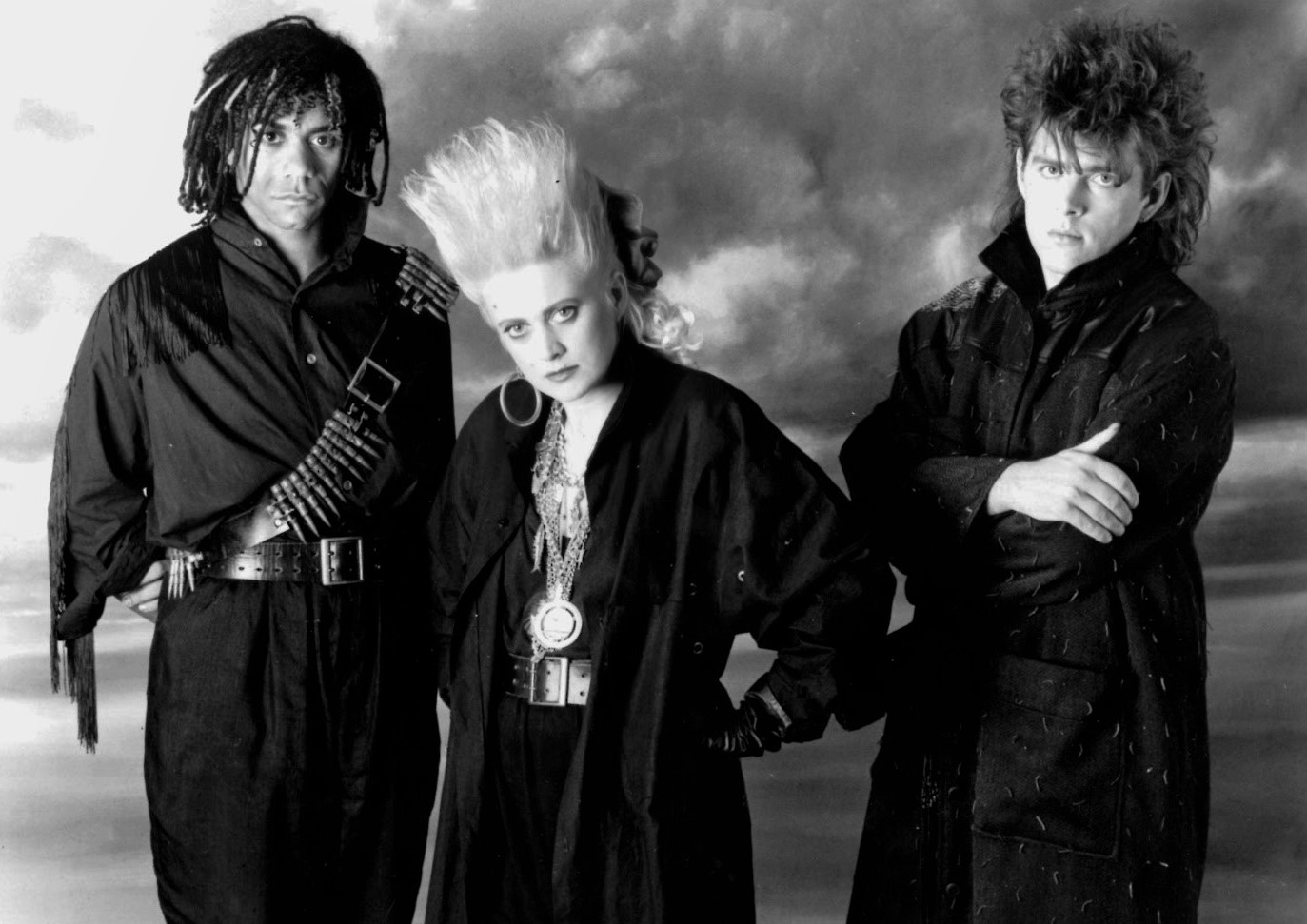 Thompson Twinsartist
Thompson Twins were an English pop band, formed in 1977 in Sheffield. Initially a new wave group, they switched to a more mainstream pop sound and achieved considerable popularity during the early and mid-1980s, scoring a string of hits in the United Kingdom, the United States, and around the world. In 1993, they changed their name to Babble, to reflect their change in music from pop to dub-influenced chill-out. They continued as Babble until 1996, at which point the group permanently broke up.
 Joyce Simsartist