Artists like New Order
Kindred artists that sit next to New Order on the star chart — same era, adjacent sound, or overlapping influence. Tap any card to open its full page.
 The Other Twoartist
 Depeche Modeartist
 Pet Shop Boysartist
 The Cureartist
 Orchestral Manoeuvres in the Darkartist
 The Smithsartist
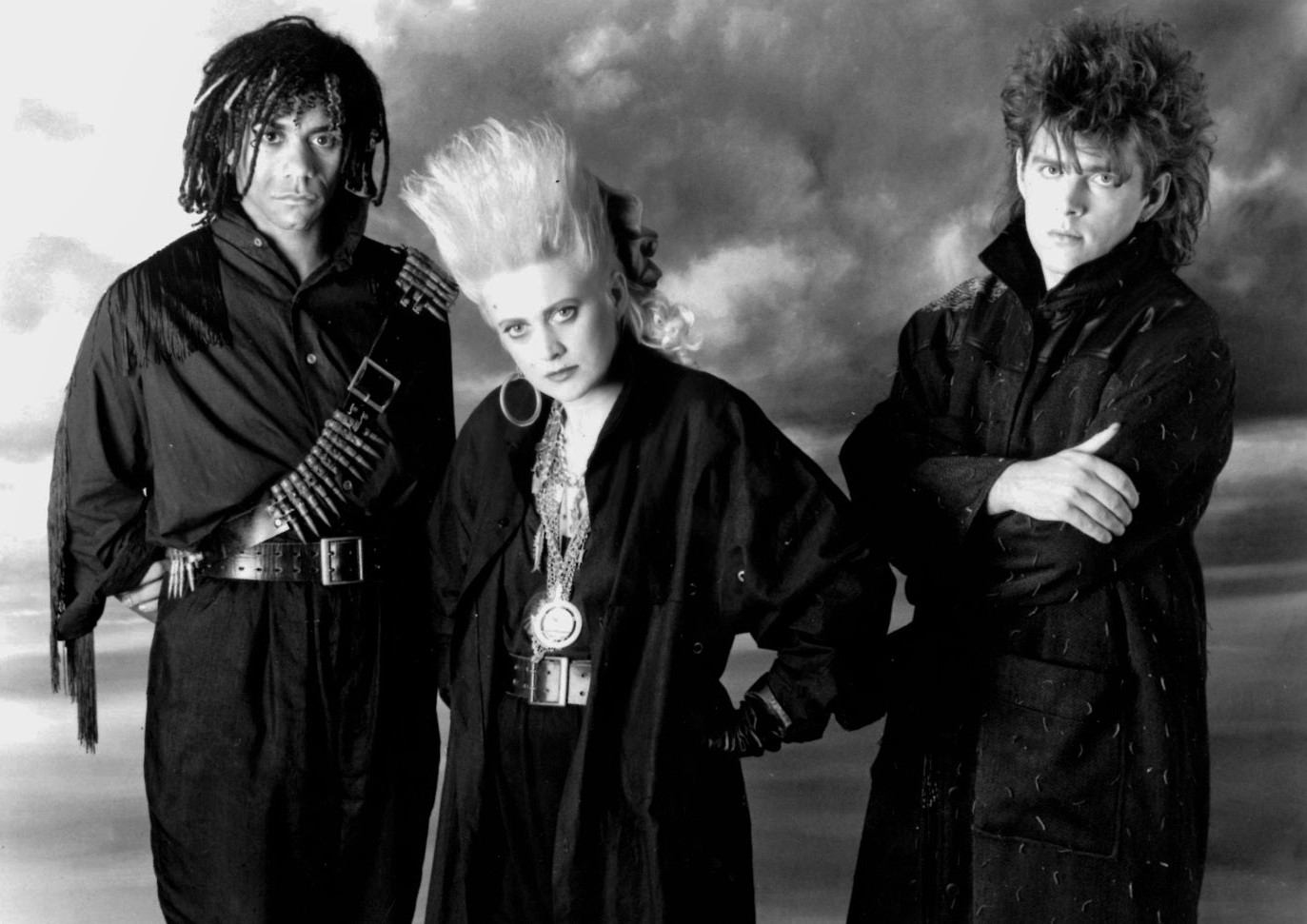 Thompson Twinsartist
Thompson Twins were an English pop band, formed in 1977 in Sheffield. Initially a new wave group, they switched to a more mainstream pop sound and achieved considerable popularity during the early and mid-1980s, scoring a string of hits in the United Kingdom, the United States, and around the world. In 1993, they changed their name to Babble, to reflect their change in music from pop to dub-influenced chill-out. They continued as Babble until 1996, at which point the group permanently broke up.
 Tears for Fearsartist
Tears for Fears are an English pop rock band formed in Bath in 1981 by Curt Smith and Roland Orzabal. Founded after the dissolution of their first band, the mod-influenced Graduate, Tears for Fears were associated with the synth-pop bands of the 1980s, and attained international chart success as part of the Second British Invasion.
 Erasureartist
 Talking Headsartist
Talking Heads were an American rock band formed in New York City in 1975. It consisted of lead vocalist and guitarist David Byrne, drummer Chris Frantz, bassist Tina Weymouth, and guitarist and keyboardist Jerry Harrison. Described as one of the most acclaimed groups of the 1970s and 1980s, Talking Heads helped to pioneer new wave music by combining elements of punk, art rock, funk, and world music with "an anxious yet clean-cut image".
 Talk Talkartist
Talk Talk were an English post-rock and new wave band formed in 1981 by Mark Hollis, Lee Harris (drums), Paul Webb (bass), and Simon Brenner (keyboards). Initially a synth-pop group, Talk Talk's first two albums, The Party's Over (1982) and It's My Life (1984), reached top 40 in the UK and produced the international hit singles "Talk Talk", "Today", "It's My Life", and "Such a Shame".
 Bronski Beatartist
 Ultravoxartist
 Public Image Ltd.artist
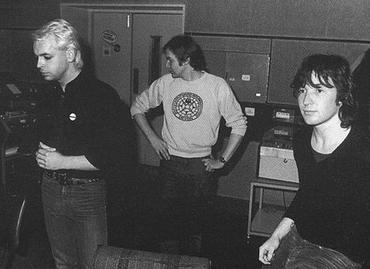 Tubeway Armyartist
Tubeway Army were a London-based new wave band led by lead singer Gary Numan. Formed at the height of punk rock in 1977, the band gradually changed to an electronic sound. They were the first band of the electronic era to have a synthesiser-based number-one hit, with their single "Are 'Friends' Electric?" and its parent album Replicas both topping the UK charts in mid-1979. After its release, Numan opted to drop the Tubeway Army name and release music under his own name as he was the sole songwriter, producer and public face of the band, but he retained the musicians from Tubeway Army as his backing band.
 Bauhausartist