Artists like Paul Robeson
Kindred artists that sit next to Paul Robeson on the star chart — same era, adjacent sound, or overlapping influence. Tap any card to open its full page.
 Pete Seegerartist
Peter Seeger was an American singer, songwriter, musician, and social activist. He was a fixture on nationwide radio in the 1940s, and had a string of hit records in the early 1950s as a member of The Weavers, especially their recording of Lead Belly's "Goodnight, Irene", which topped the charts for 13 weeks in 1950. Members of the Weavers were blacklisted during the McCarthy Era. In the 1960s, Seeger re-emerged on the public scene as a prominent singer of protest music in support of international disarmament, civil rights, workers' rights, counterculture, environmental causes, and ending the Vietnam War.
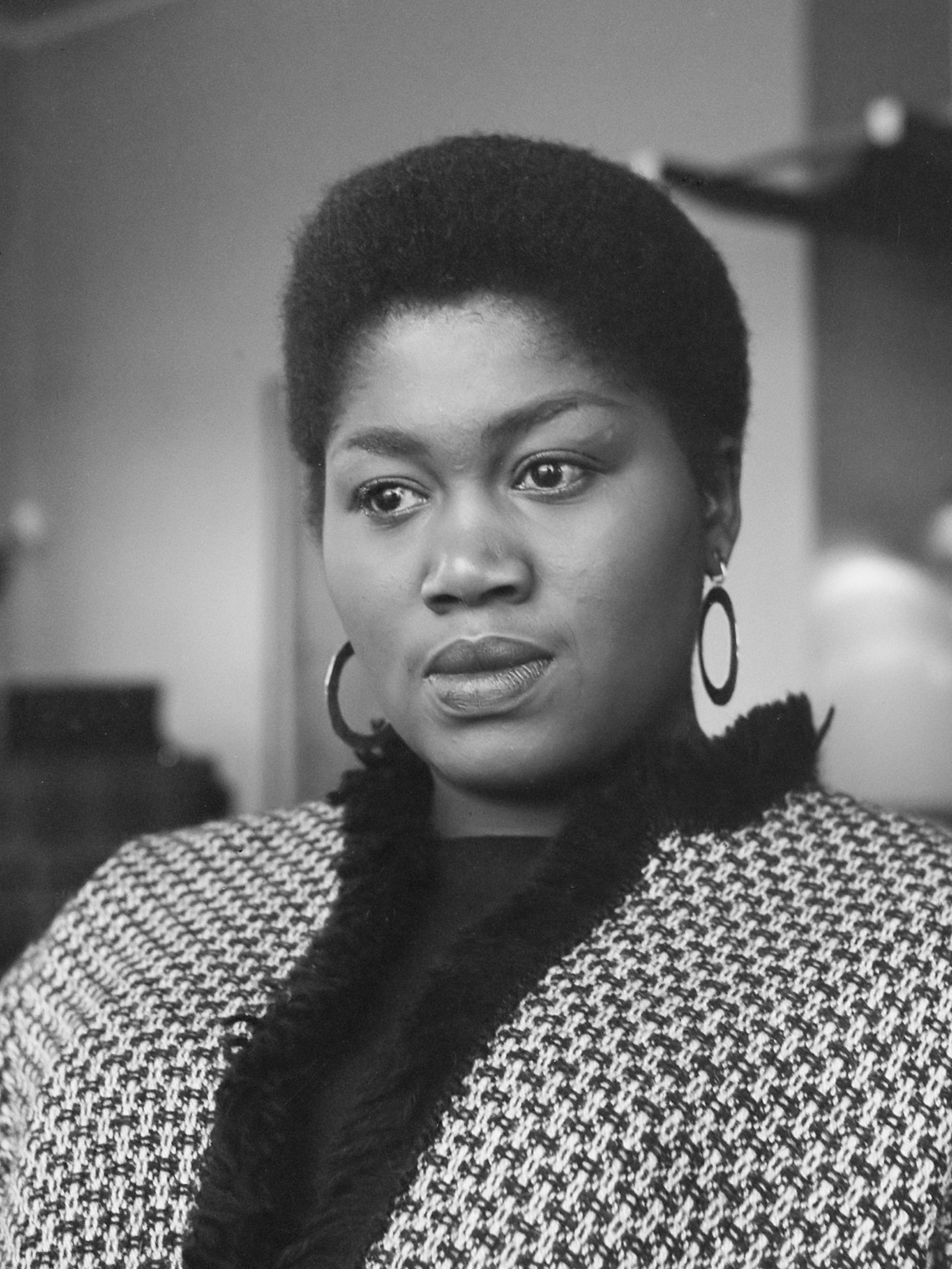 Odettaartist
Odetta Holmes, known mononymously as Odetta, was an American singer, songwriter, and actress. Referred to as "The Voice of the Civil Rights Movement", her musical repertoire consisted largely of American folk music, blues, jazz, and spirituals.
 Josh Whiteartist
 The Kingston Trioartist
The Kingston Trio is an American folk and pop music group that helped launch the folk revival of the late 1950s to the late 1960s. The group started as a San Francisco Bay Area nightclub act with an original lineup of Dave Guard, Bob Shane, and Nick Reynolds. It rose to international popularity fueled by unprecedented sales of LP records and helped alter the direction of popular music in the U.S.
 Leadbellyartist
Huddie William Ledbetter, better known by the stage name Lead Belly, was an American folk and blues singer notable for his strong vocals, virtuosity on the twelve-string guitar, and the folk standards he introduced, including his renditions of "In the Pines", "Pick a Bale of Cotton", "Goodnight, Irene", "Black Betty", "Midnight Special", "Cotton Fields", and "Boll Weevil".
 Billy Braggartist
 Bessie Smithartist
 Judy Collinsartist
 Sister Rosetta Tharpeartist
 Mahalia Jacksonartist
 Louis Jordan & His Tympany Fiveartist
Tympany Five was a famous, successful, and influential American rhythm and blues and jazz dance band founded by Louis Jordan in 1938. The group was composed of a horn section of three to five different pieces and also drums, double bass, guitar and piano.
 Cisco Houstonartist
Gilbert Vandine "Cisco" Houston was an American folk singer and songwriter, who is closely associated with Woody Guthrie due to their extensive history of traveling and recording together.
 Skip Jamesartist
Nehemiah Curtis "Skip" James was an American Delta blues singer, guitarist, pianist and songwriter. AllMusic stated: "Coupling an oddball guitar tuning set against eerie, falsetto vocals, James' early recordings could make the hair stand up on the back of your neck."
 Washington Phillipsartist
George Washington "Wash" Phillips was an American gospel and gospel blues singer and instrumentalist. The exact nature of the instrument or instruments he played is uncertain, being identified only as "novelty accompaniment" on the labels of the 78 rpm records released during his lifetime.
 Richie Havensartist
 Blind Lemon Jeffersonartist
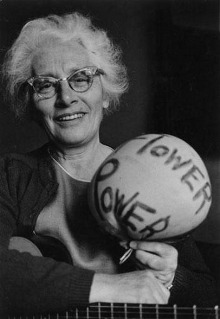 Malvina Reynoldsartist
Malvina Reynolds was an American folk/blues singer-songwriter and political activist, best known for her songwriting, particularly the songs "Little Boxes", "What Have They Done to the Rain" and "Morningtown Ride".
 Abner Jayartist
Abner Wingate Jay was an American multi-instrumentalist from Georgia, best known for performing eccentric, blues infused folk music as a one man band. His idiosyncratic lyrics and style have led some to consider his work outsider music; he considered himself to be "the last working Southern black minstrel".
 Reverend Gary Davisartist
 Karen Daltonartist
Karen J. Dalton was an American country blues singer, guitarist, and banjo player. She was associated with the early 1960s Greenwich Village folk music scene, particularly with Fred Neil, the Holy Modal Rounders, and Bob Dylan. Although she did not enjoy much commercial success during her lifetime, her music has gained significant recognition since her death. Artists like Nick Cave, Devendra Banhart, and Joanna Newsom have noted her as an influence.
 Fred Neilartist
Fred Neil was an American folk singer-songwriter active in the 1960s and early 1970s. He is mainly known through other people's recordings of his material, particularly "Everybody's Talkin'", which became a hit for Harry Nilsson after it was used in the film Midnight Cowboy in 1969. Though highly regarded by contemporary folk singers, he was reluctant to tour and spent much of the last 30 years of his life assisting with the preservation of dolphins.